Alex Coco
...And The OSCAR for BEST PICTURE goes to…
New Canaan’s Alex Coco
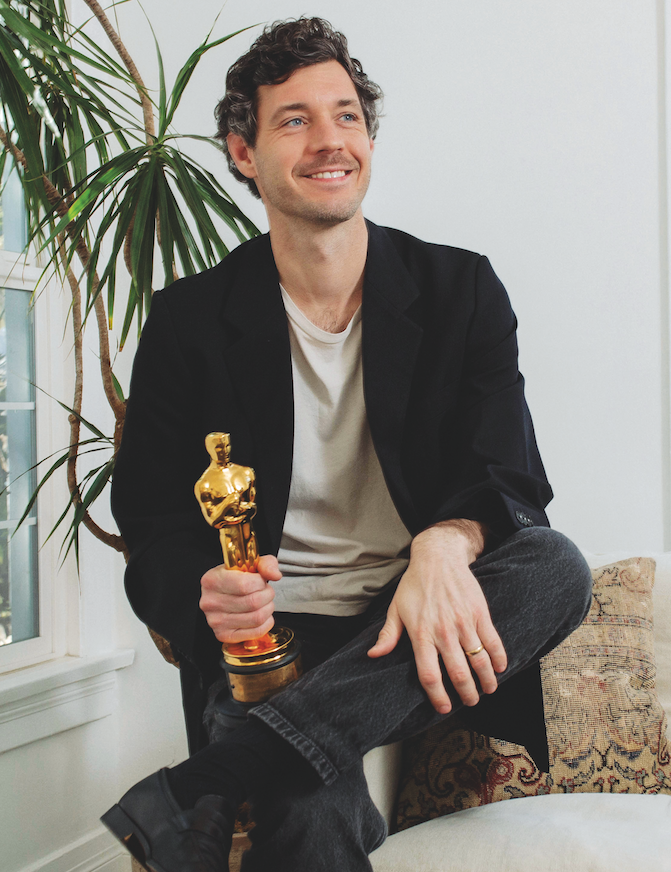
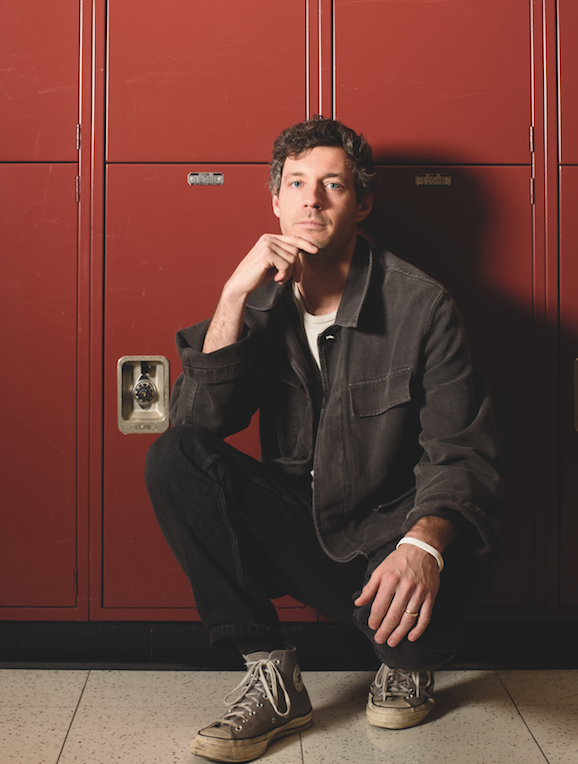
Photo: Eleanor Carty
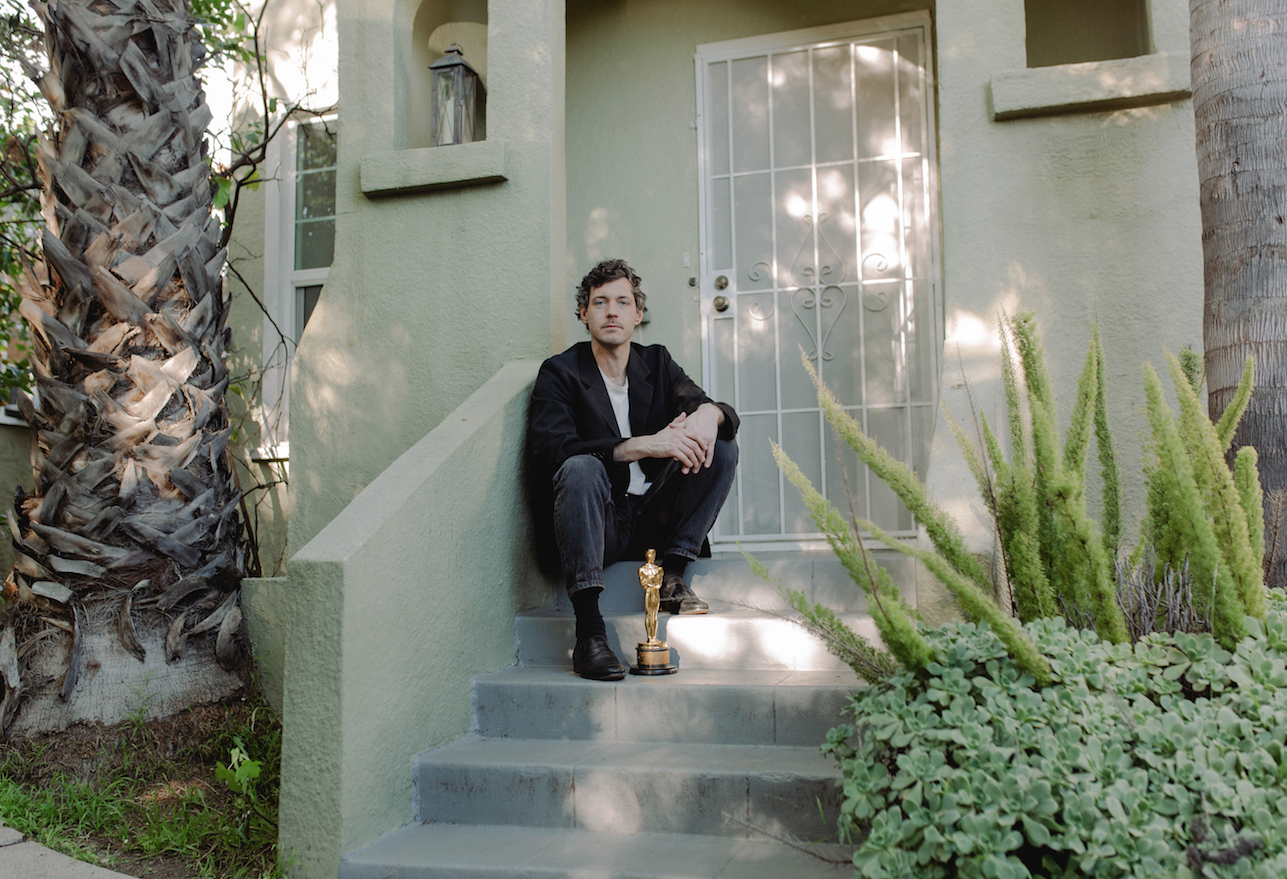
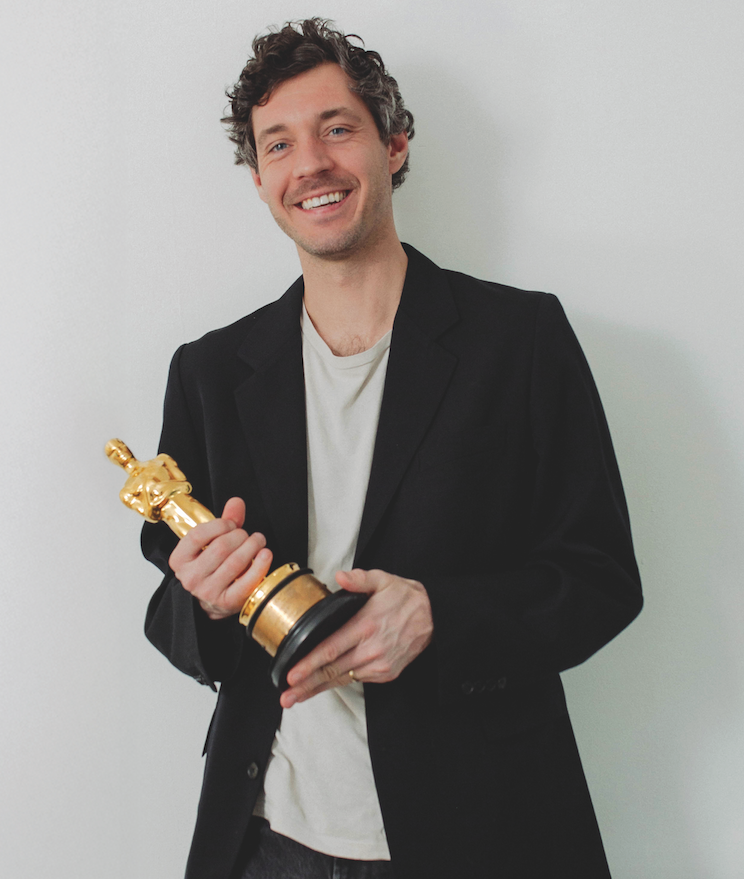
Alex Coco is the newest of New Canaan’s homegrown heroes! In 2025, at the age of only 33, Alex won the Oscar for being the Producer of the feature-length film Anora, which won the Academy Awards for Best Picture, Best Actress, Best Original Screenplay, Best Director, and Best Film Editing. Anora also won the Palme d’Or, the top prize at the Cannes Film Festival, in spring of 2024. “The whole experience has been a whirlwind…a real magic carpet ride! It’s hard to even really think when you’re in the middle of it. I feel like I’m still kind of processing it a little bit,” Alex reveals.
“I don’t know… I was pretty much like any normal kid in New Canaan, for the most part,” Alex recalls. “I always liked getting into something with my friends, and several of my buddies from growing up are still some of my best friends today. Running around the neighborhood and getting into as much trouble as we could was our whole world. Paintball, airsoft guns, building forts, and climbing the huge tree in my parent’s backyard.”
“I was up in the attic one day - I must have been about 13 - and I kind of happened across my dad’s old cameras. He had an Hi8. VHS was a little out of style already at that time,” Alex laughs, “...but I kind of started fooling around with it at the house and making some videos. There was something about it that made me curious and kind of sparked my imagination.”
“By the time I got to New Canaan High School and got to choose my first elective as a freshman, I selected the Intro to Filmmaking class,” Alex recounts.
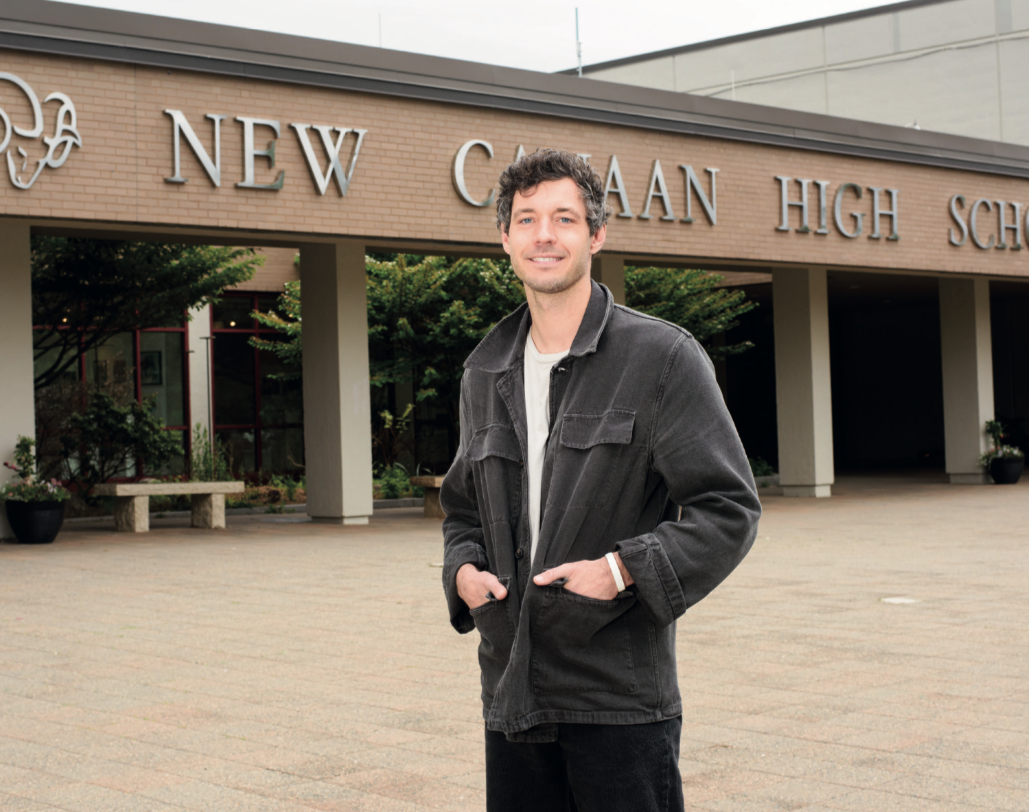
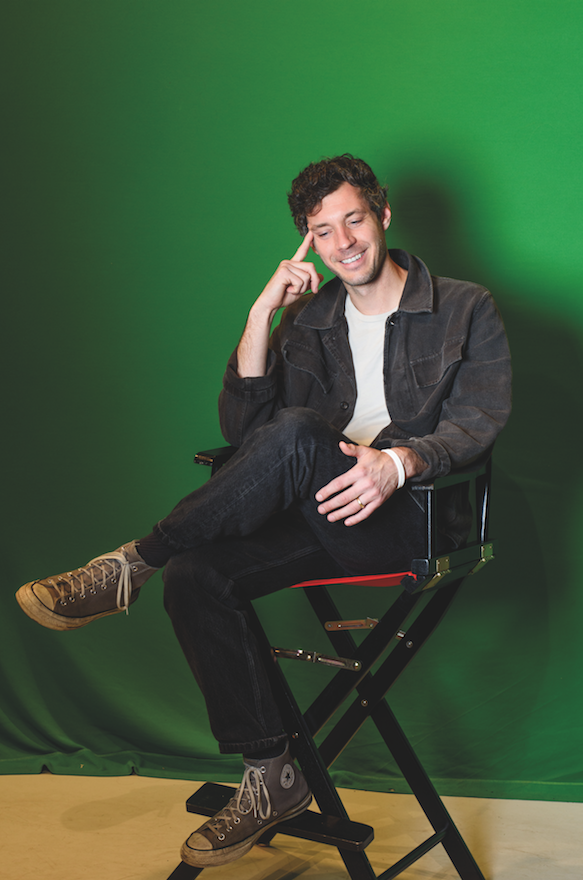
Photo: Gillian Gaughan
“By then I was already experimenting with some of the early editing software. A friend had the software on his desktop at home, and I’d go over there and tinker with it, making little films of my friends or whatever …Thinking back, it’s kind of amazing that people made movies before digital editing software existed. But, anyway, that elective class at school started to give me the structure that I needed and the skillset to start knowing what I was doing and the language to talk about it.”
“Peter Kingsbury, who was my film teacher at New Canaan High School, was just awesome!” Alex declares. “He would teach us the technical components and also show us a lot of great films, like independent movies and art house movies and avant-garde cinema. I had liked the idea of making movies before that… but I didn’t really know much about it besides the mostly Hollywood stuff I’d had access to. I’d seen a lot of movies as a kid - mostly what kids watch - with the occasional horror film, like The Exorcist, or something a little grittier. But for the most part, movies felt like a different world - like nothing I could access. Especially growing up here, where you don’t really have exposure to the industry. Peter introduced me to that other side of filmmaking that I hadn’t been exposed to. He was a big influence for me, and probably even more impactful because he was so cool about it. He would show us all of this amazing stuff and then let us apply it however it struck us to our own projects we were working on… sometimes we would talk about it or whatever, but it was never like he was trying to drill something into us. He was just trying to get us inspired a little bit.”
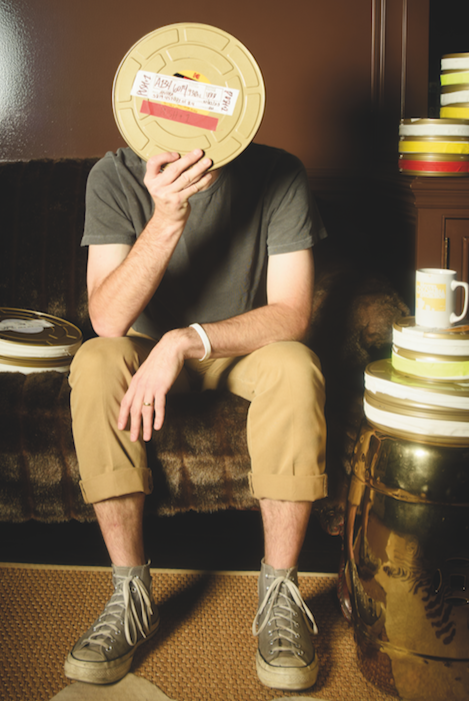
Sitting in his parent’s house for the B&NC Mag interview, Alex is wearing a worn-in and faded T-shirt with a pair of Converse - he looks like someone who has never had to try to look interesting. He’s tall and lanky, quietly handsome in an unstudied way, a little shy at the start of the conversation, but warms up quickly. There’s a distinctly nerdy intelligence at work, paired with a mischievous, goofy undercurrent that surfaces once he relaxes. His humility is palpable…and it’s immediately apparent that this is how he’s always been; effortlessly ‘cool’ and beating distinctly to his own drum.
“I remember we watched Stranger Than Paradise, the Jim Jarmusch movie, we watched a bunch of Fellini films - and I did a report on 8½. Just some really great things from all over - American and European. We studied a lot of Stan Brakhage, who Kingsbury loved, Maya Deren, and Jean Cocteau - Blood of a Poet, which really inspired me and I basically made a whole short around that movie. It was all this deep art-house, avant-garde cinema that felt more accessible in a strange way. Like, these people just went and made a movie by themselves. Meshes of the Afternoon - it feels like Maya Deren set up the camera, walked in front of it, acted, and made the movie. And I was like, ‘Okay - cool! That’s something I could actually do with my camera’. It was just sort of wandering in your own imagination, wandering in your own head,” Alex smiles - seemingly wandering in his head right then through all the great recollections of these pivotal films. “And then Eraserhead was the one that he showed us that really made me decide officially that I wanted to be a filmmaker. It looked handmade but also had a beginning, middle, and end - that’s the movie that really showed me that I could exist as a filmmaker. I think I was in tenth grade at the time.”
Alex took a different one of Peter Kingsbury’s electives every semester: Intro to Documentary, Intro to Narrative Filmmaking, one semester of Photography, and lots of Advanced Filmmaking. “I think I had to take an elective outside of the arts to qualify for graduation, so I did one semester of Home Economics…but otherwise I spent as much time as I could in the film studio. I was just making stuff, pulling friends together, coming up with ideas, and editing it into a story. With Final Cut 7 I did the highlight video for the football team. …Other than making films, I was mostly a sports kid. I played football and lacrosse but developed an issue where my shoulder would dislocate all the time and so I had to give both sports up during my sophomore year. …So track became my sport. I could do it all seasons and I actually enjoyed it. The repetition and the commitment was good for me. …But a bunch of my friends were still on the football team, so with Final Cut 7 I would just literally hangout on the sidelines and shoot video of them and put together highlight tapes.”
During Alex’s senior year, The Fritz Eager Foundation for Art Education, which was established in 1969 in memory of NCHS graduate Frederick ‘Fritz’ Eager - with the purpose of buying student art, acquired one of Alex’s high school era film projects, The Tale of Three Lovers. “It was about three different people and their approach to relationships. I had friends who jumped into relationships really fast…and then friends who had a healthier approach - getting to know somebody, then dating… and then friends who took forever to commit and didn’t really have girlfriends. So I was thinking about that.” Alex laughs, “It feels so immature now - because it was high school relationships - but it was kind of a metaphor. I was just making stuff…whether I had an assignment or not. It was second nature. And sometimes in class, I’d convince teachers to let me make a movie instead of writing a paper - or I’d show a movie and talk about it. If we could make something, I’d always turn it into a film project.”
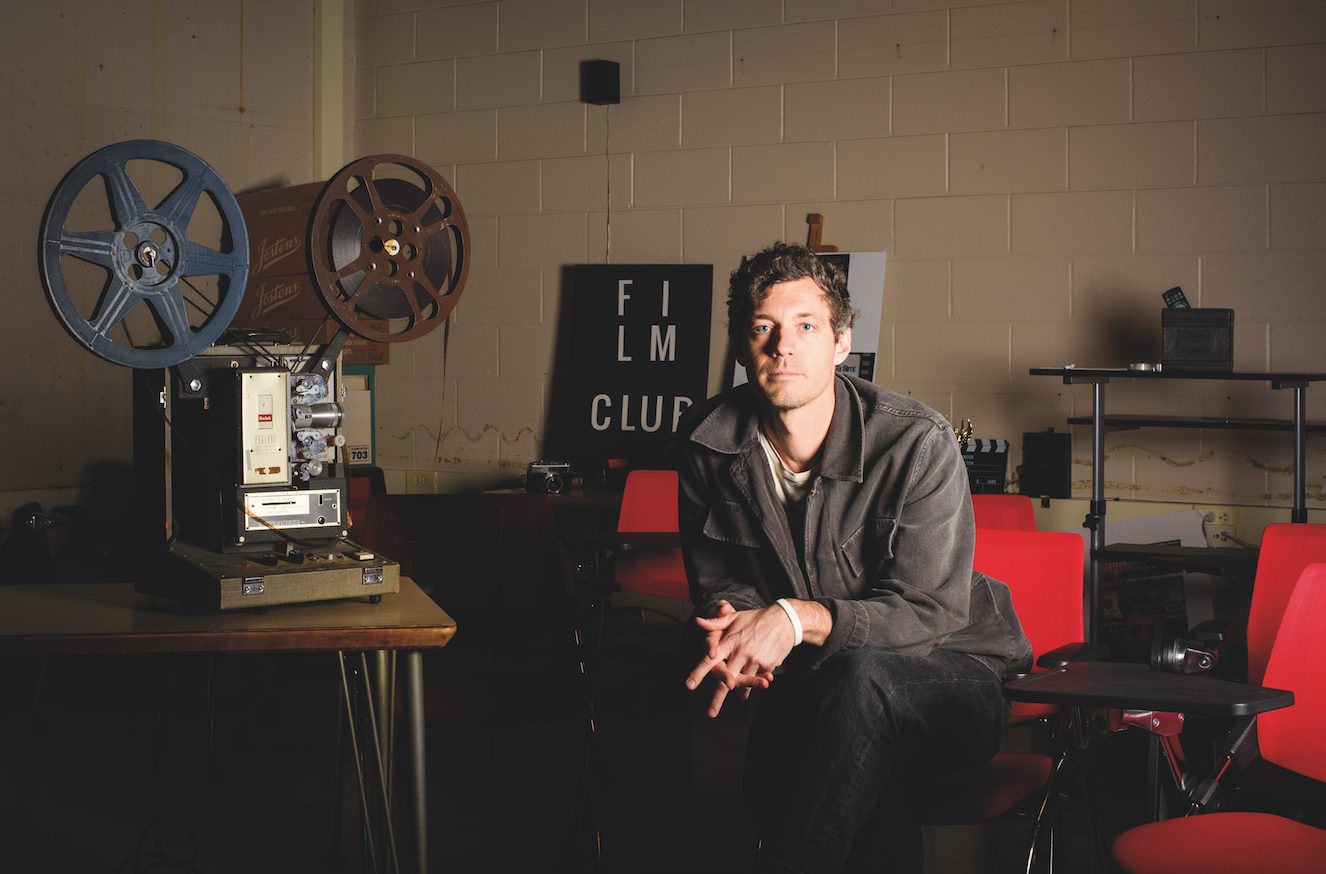
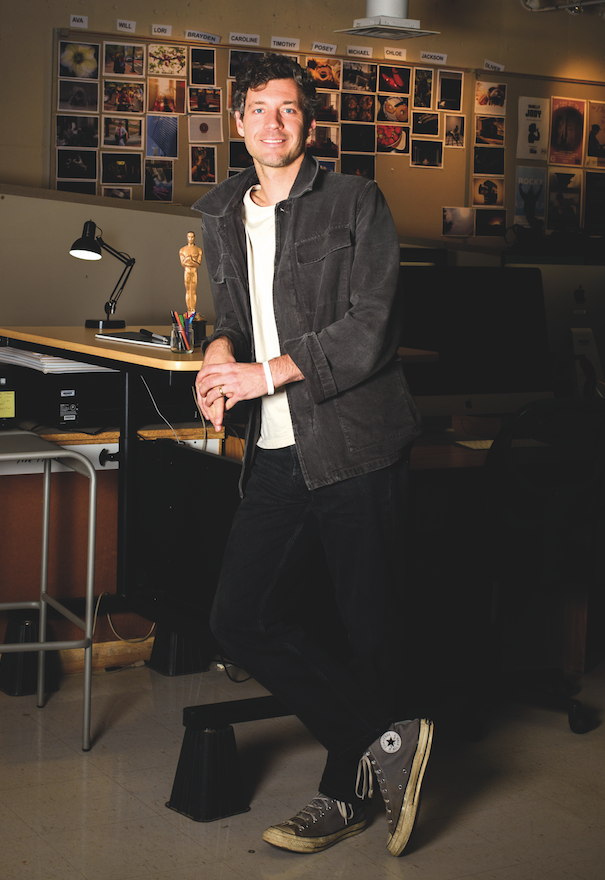
Photo: Gillian Gaughan
Alex went on to Colgate University, Class of 2012, where he was recruited for track and ran the 110-meter Hurdles. Next, he earned a Masters in Fine Arts at the USC School of Cinematic Arts - using a movie he’d made as his application. “Film school was exciting because I was around other kids who wanted to make movies. At Colgate, and even in high school, I was always convincing people to help. In high school my friends were down, but in college, people would say they wanted to help… then the weekend would come and they’d have a frat party. So film school was great because everybody around me wanted to make movies and all my classes were about making movies. I didn’t have to take astronomy or any of the other stuff that I didn’t like. I could just take French Cinema and watch French movies! It was great!” Alex smiles. “A lot of the people I’m collaborating with now are friends from USC.”
“During my last year at USC, I’d go to screenings and Q&As wherever I could in L.A., but especially for filmmakers I liked. I was trying to meet people and get a job - an assistant job, PA job, whatever…just to work for someone I admired. Sean Baker was one of the people who took me on. I met him at a screening of Tangerine. He did a Q&A and I went up after and basically said, ‘Everything you described - making that movie - that’s exactly the experience I want. If you need an assistant, a PA, whatever…I’ll do it.’”
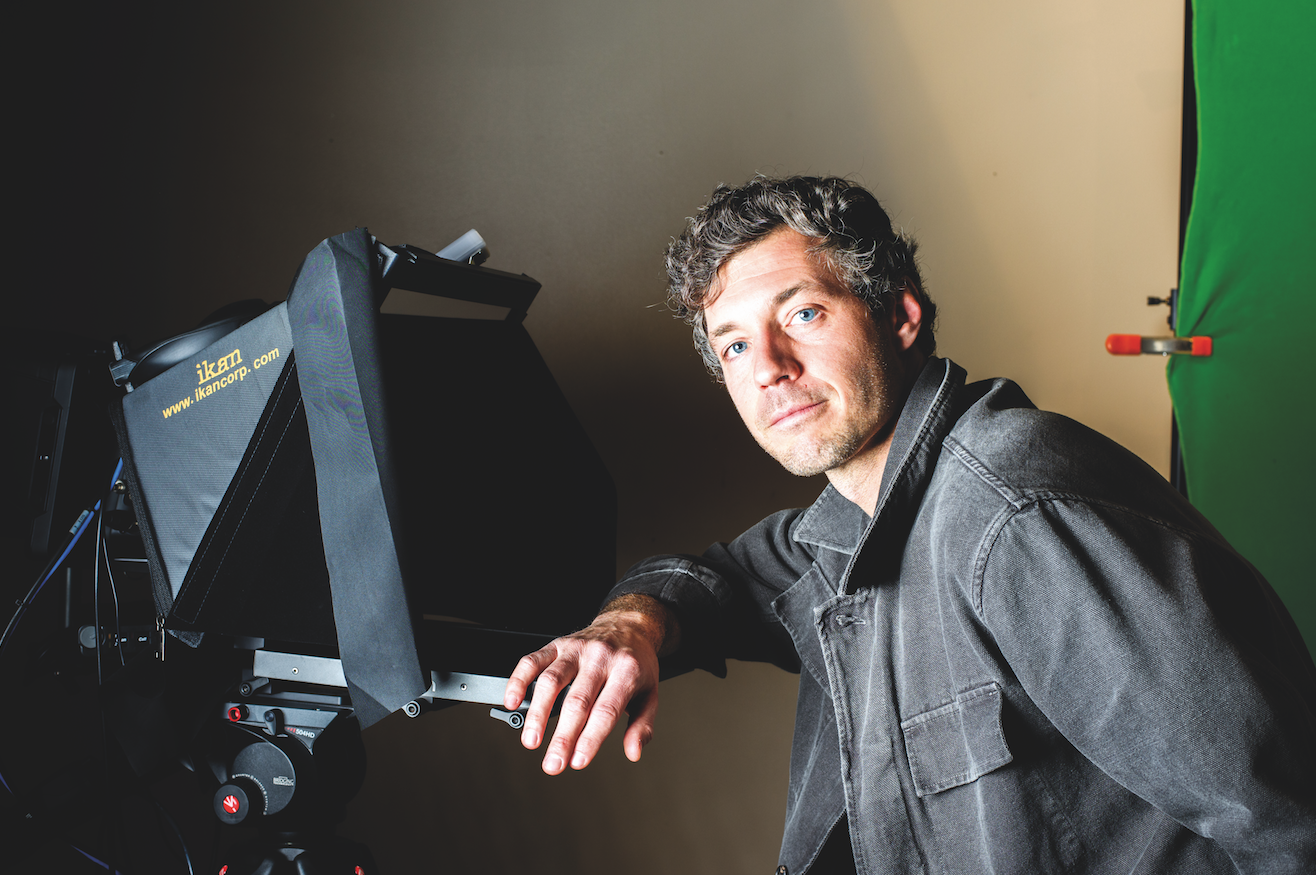
Photo: Gillian Gaughan
“We stayed in touch, and he hired me as his assistant. I graduated from USC, and my first job out of film school was working as Sean’s assistant on The Florida Project. The movie was a bit fraught - there was tension with the crew because it was a union Florida crew used to a different style, and Sean was coming off a $100,000 iPhone movie. So there was a bit of a clash. I took on a bigger role out of necessity. Even though I was his assistant, I did a lot more than I was technically qualified - or even ‘allowed’ - to do, because I understood Sean’s working style. I ended up with like seven or eight credits on that movie.”
“After that, Sean said, ‘I’d like you to produce on my next film’. So I went from his assistant to a producer! It was a pretty big leap,” Alex recalls. “We spent about two years prepping and researching a film in Vancouver we were going to shoot in spring 2020, but the pandemic hit and the border made it impossible, so we pivoted to Red Rocket. We made that for like a million dollars…tiny. And it was kind of perfect for my first serious producer credit on Sean’s films because I had to wear a lot of hats. On that kind of budget, everyone has to do more.”
“Every single person that I put on set was somebody that I had hand-selected,” Alex says. He looks for technical ability, but also focuses on temperament, saying that, “I want people who can stay flexible, who can shift plans quickly, and who don’t need ten layers of permission to do their job. …They always say half of directing is casting…well I feel like half of producing is hiring.”
Alex treats a small set like a practical creative strategy - less noise, fewer spectators, more control over tone, more room for actors and director to work and create.
“Creative people need an environment where they can really create, you know?”
Alex explains, “Like, you don’t need a million people standing around when you’re making something. It’s probably not beneficial to the director or the actors, or even the cinematographer. You get this really special raw feeling when there aren’t unnecessary spectators around and there’s a more intimate environment. If you’re shooting in public, it’s better to have a tiny splinter crew of just a few people too, because then you can go out on the street and you can just shoot under the radar. …You end up just having normal people walking past and get that all into the film and on screen. But if you bring in a crew of like a hundred people and shut down the street and bring in extras, now it’s like a whole different thing. If you’re trying to recreate reality, it’s really hard to recreate that authenticity…and you have to be really good. We try not to spend a dime on stuff like that. …Instead of hiring all these people and shutting down an area and bringing in extras, we just go shoot with like five people and the actors and just get this really raw footage.”
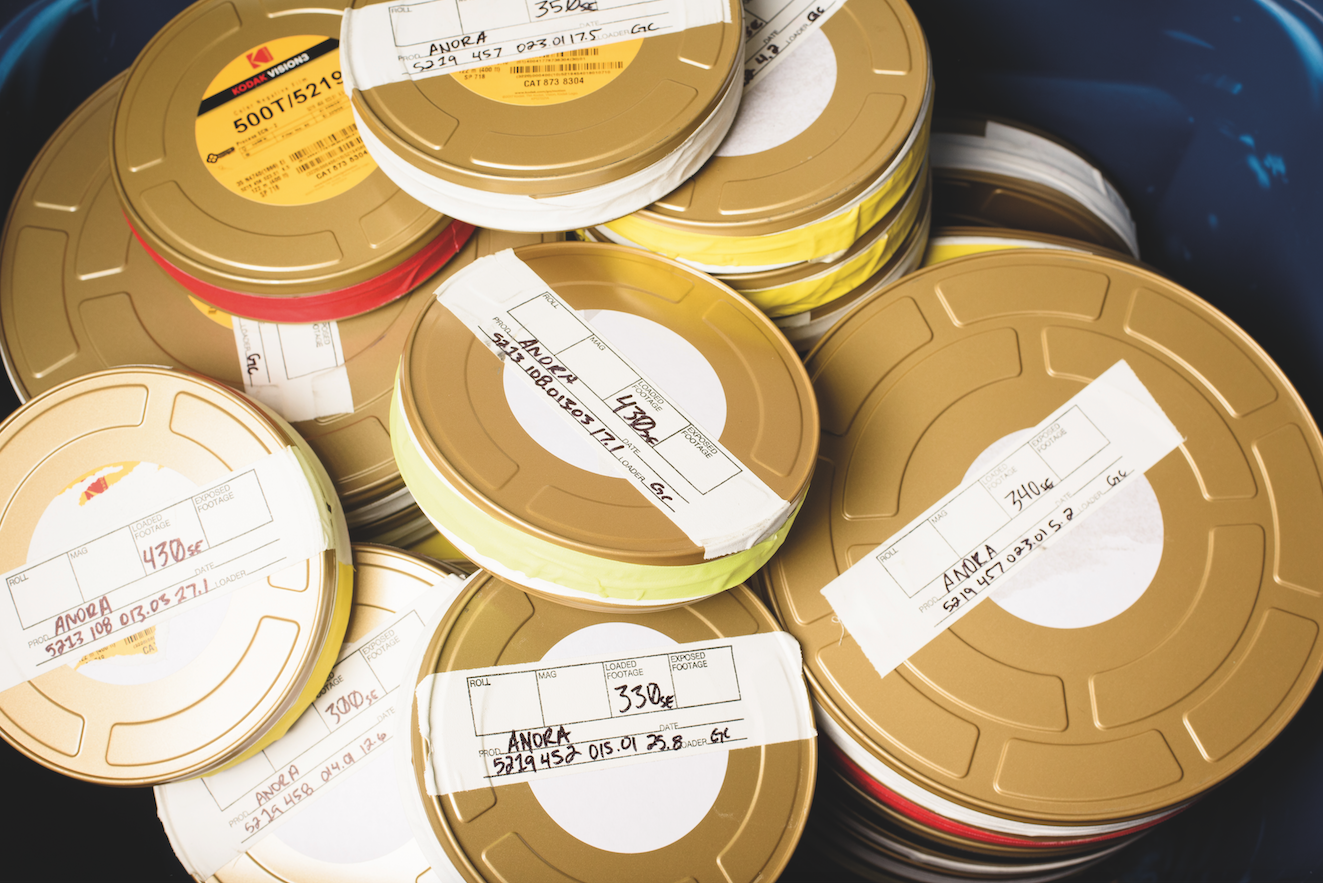
“That whole thing of just going out onto the street is exactly what we did when we were making Anora. …It was my biggest budget by far - a six million dollar movie!” ...which is still really small in the scheme of things. So we would just go out onto the boardwalk on Coney Island to shoot a lot of those scenes from the night chase,” Alex grins. “It’s wild to me to think that there are so many people that saw what we were doing and probably thought we were doing a film school project or just fooling around…and then the thing went on to win five Academy Awards! …It’s all pretty crazy!”
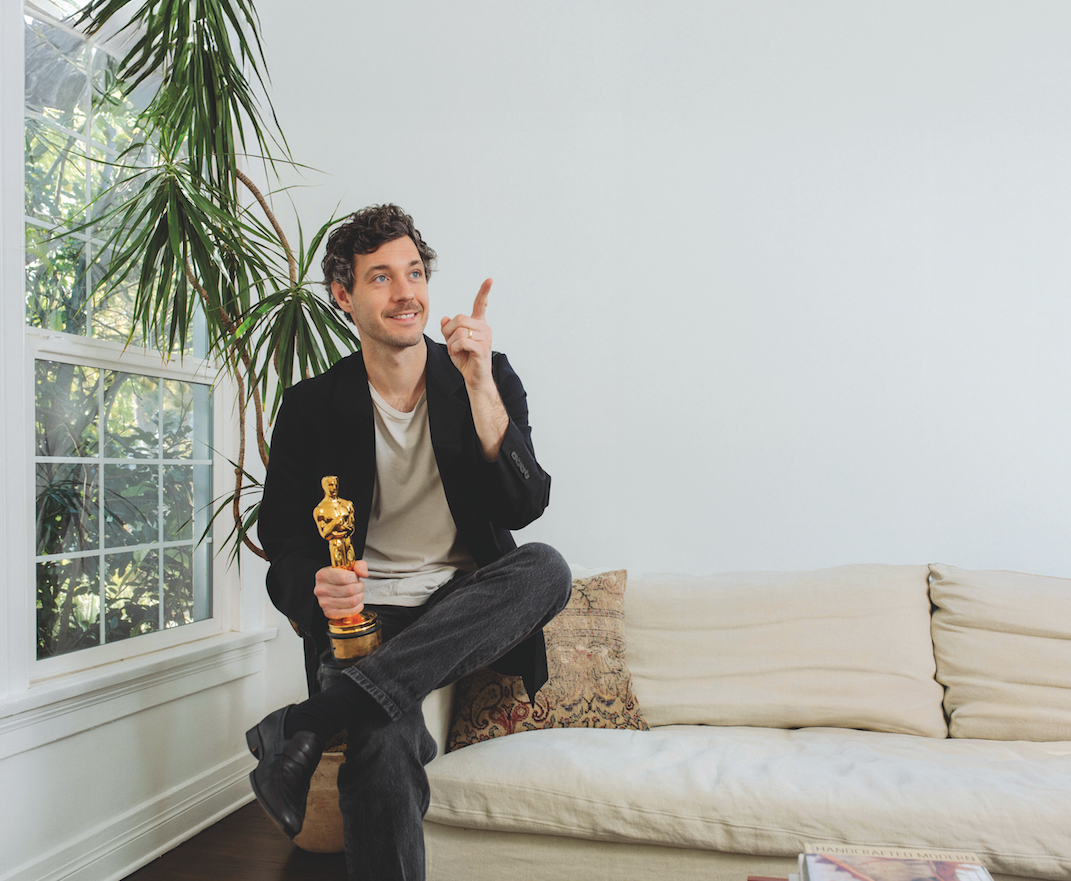
Photo: Eleanor Carty
Alex says, “It’s hard to wrap your head around. I mean, look, it’s not anything that we thought was going to happen. I knew it was a great movie, but the thing is that it’s hard to make movies for everybody…so you kind of have to make a movie for yourself and just hope that other people like it, you know? So we loved what we were making. And everyone, it was palpable on set, there was like a real energy, and the whole crew and cast had this excitement you could feel every day on set. We knew this was special. But again, I think everybody’s thought was like, this is gonna be great…We’re gonna get this movie into Cannes, and then, you know, we’re going to premiere it and people are going to think it’s really cool. And that’s kind of what we were thinking. We hoped that it would make it into the main competition in Cannes, and that would have been a fine result for me. And that’s where I thought it was going. So…we really didn’t expect what happened. It was way more than I think any of us could have imagined. …And then the Oscars…the biggest award for filmmakers on the world’s stage…and the people that have won that award are some of the greatest filmmakers of all time…not just like filmmakers who have made money, but like some filmmakers who have made some of the greatest movies and pound-for-pound films, regardless of box office. …I’m really proud to be on that list!”
When probed about the coolest Oscar experience, Alex blushes, “I went to Jay-Z’s Gold Party after the Oscars. I guess that was pretty cool. I danced with my Oscar and Jay Z and Leonardo DiCaprio, and Timothy Chalamet, and Adrian Brody had his Oscar, and so did Kieran Culkin. Jay Z gave me a big hug and took my Oscar and was dancing with it. And then he put all of our Oscars up on the DJ booth. It was definitely wild.”
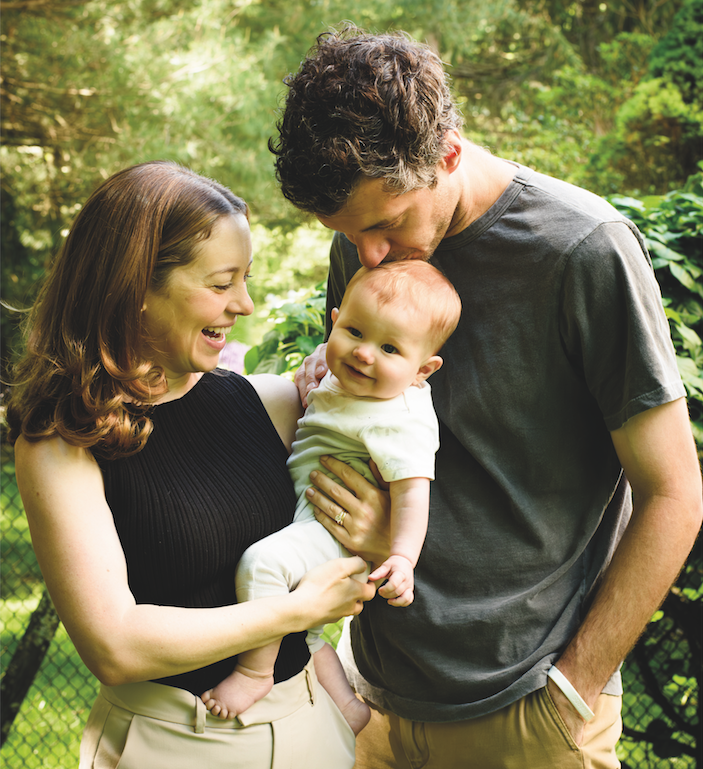
“And as if all the Oscar excitement wasn’t enough,”Alex smiles from ear-to-ear, “...in October 2024 my wife, Erin, gave birth to our first baby, Wynn! …I met Erin through friends in L.A. when I was just starting film school. She was already in production, coordinating major photo shoots for major magazines and people like Annie Leibovitz - until the pandemic hit. When I was heading to Texas for Red Rocket, I asked her to come join our tiny crew in production - and she crushed it! She’s worked on every project with me since, and now we travel together for jobs, and Wynn comes with us too!”
“But I’m not resting on the laurels of my first Oscar,” Alex commits. “I just try to file it away as a really good year…and I just want to keep making stuff!” Alex’s work as a Producer includes features like The Sweet East and Pet Shop Days, and he’s also worked in the music video/commercial space with projects involving Childish Gambino, Vince Staples, and Addison Rae. “I’m having fun doing all of it - everything from making movies to music videos. For me it’s about making something that people talk about and get excited about - that makes people think. I’ve always loved seeing people’s reactions. I want to make movies that elicit some kind of reaction from people. I feel like I’m just getting started making films…Anora was really only my fifth movie! …So I’ve got a lot more to do and a lot more stories to tell!”
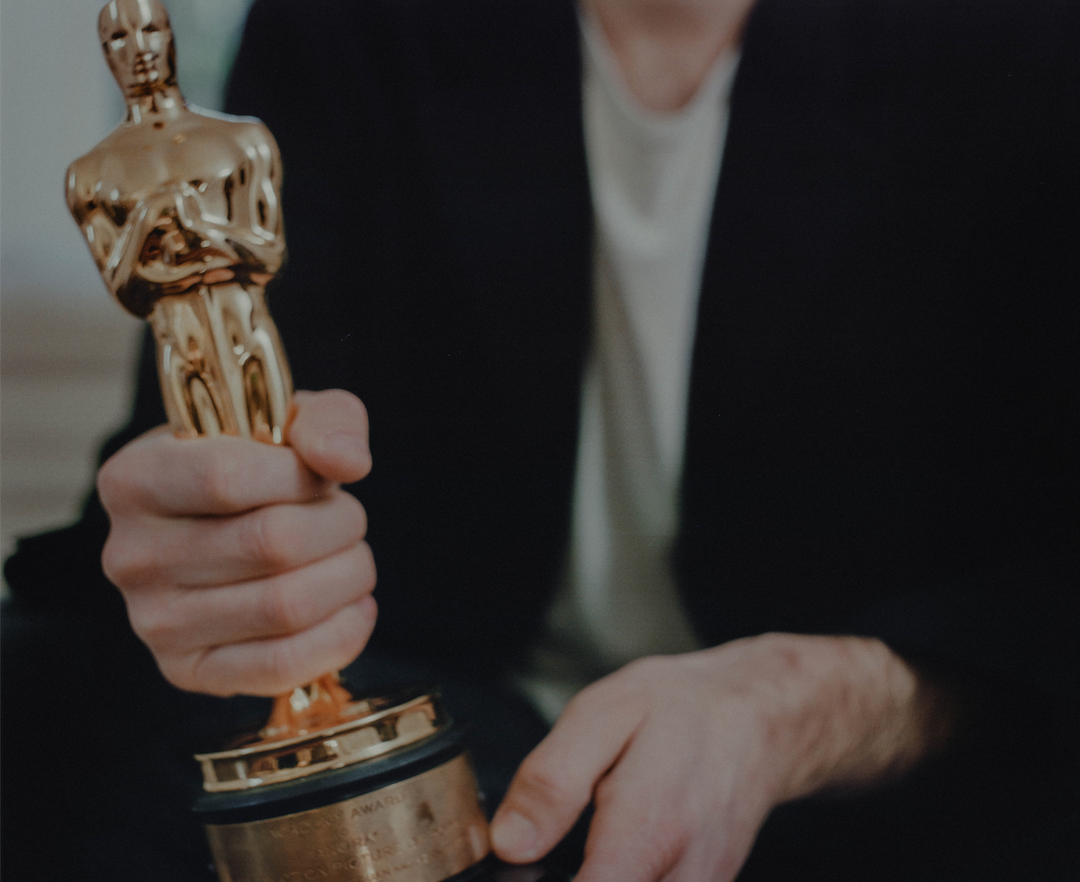
Photo: Eleanor Carty