Gardening
Gardening has seen a major resurgence as not just an aspirational lifestyle trend,
but a heartfelt desire to live more intentionally - rooted in health and wellness.
We live in an era when we’re all thinking more carefully about what we eat,
what we’re exposed to, how we spend our time, and what truly nourishes us.
The pull toward the land feels almost inevitable.
Growing food. Planting flowers. Restoring meadows. Learning the rhythms of seasons.
It’s all part of cultivating a lifestyle.
GARDENING AT BIG TITICUS FARM
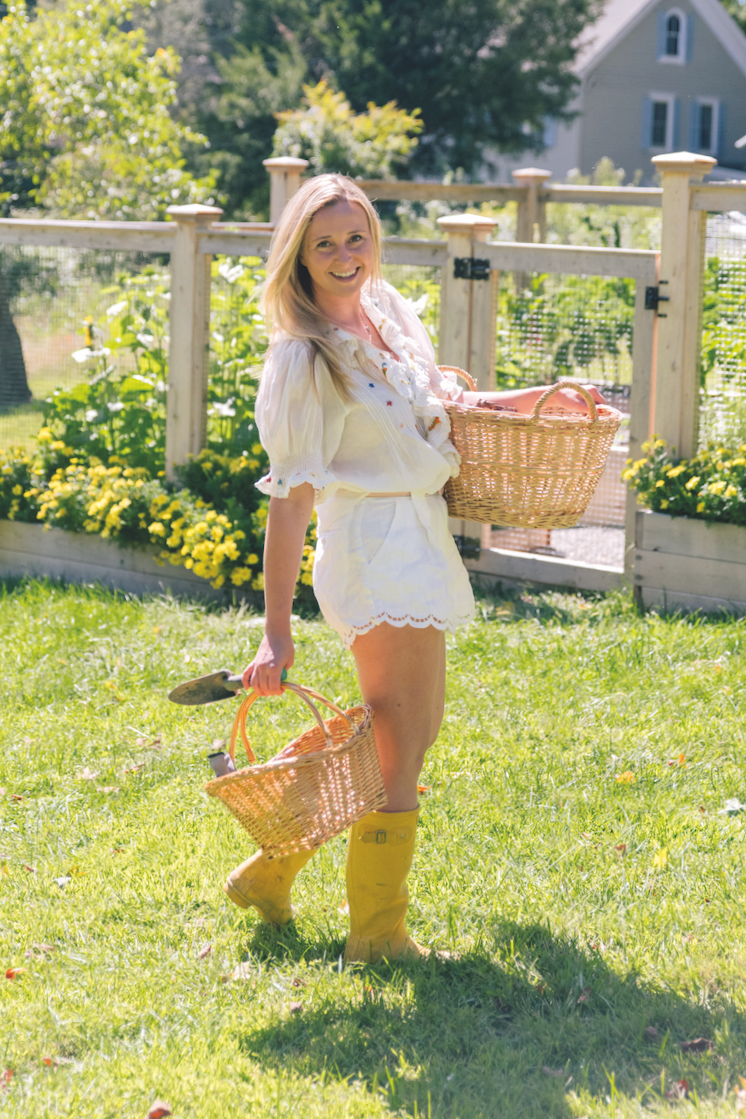
2025 was my first summer in North Salem, as I was completing the renovation of the house on the property on the shores of the Titicus Reservoir that we acquired in 2024 - which we’re calling Big Titicus Farm. …A lot of my reason for purchasing the large property was to begin my own gardening journey…and eventually even try to do some farming!
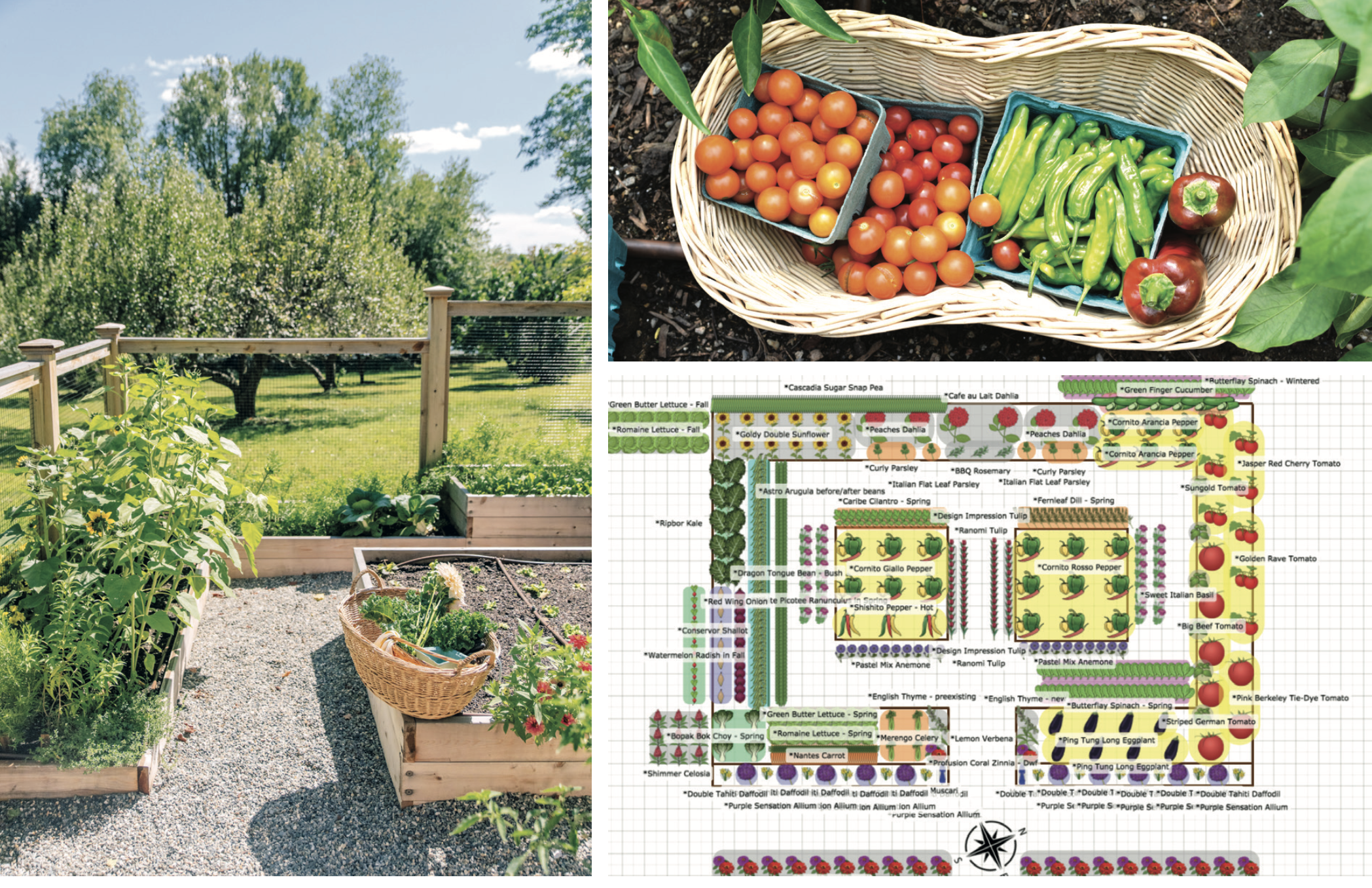
We built an 18x24 foot garden with Cedar fencing and irrigation for timed watering… planted vegetables, herbs, and flowers…and I spent an average of about a half-hour a day on about 4 out of every 7 days tending to my new passion.
Beginning gardening has been joyful! The quiet satisfaction of doing something with my hands and then watching things grow. The beauty of nature, and the bounty that nature can produce. I’ve found gardening to be amazingly rewarding and restorative.
Of course I started-out with the notion that gardening would be, as they say, ‘one of life’s simple pleasures’...only I quickly realized it’s not so simple! Like many enthusiastic beginners, I figured I would just dig a few troughs and throw down some seeds…and I’d have delicious vegetables and beautiful flowers to enjoy.
Thinking we could do it ourselves and maybe just have a professional to do the irrigation, we set aside a weekend in the spring when we were going to start digging. …Which is when we realized we didn’t know how the garden should be best positioned to take advantage of maximum hours in the sun or to avoid underground roots and other existing conditions that might be detrimental. …Reality set in almost immediately! We needed some expert help!
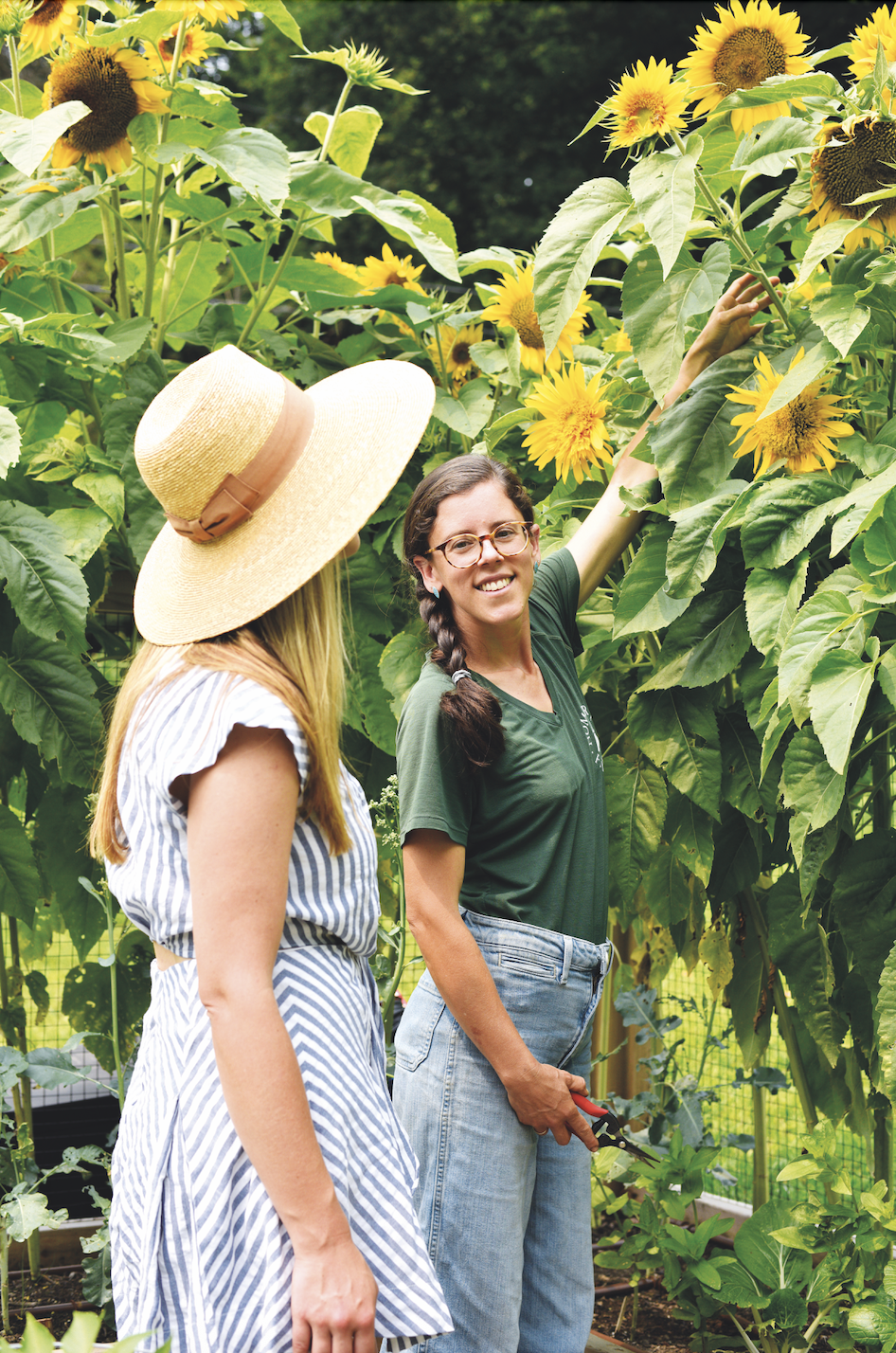
I turned to Homefront Farmers with the intention of having them build the garden and get it going. …And Homefront’s lead Horticulturalist, Miranda, became my gardening-angel over the course of the summer. Miranda taught me more in one season than I could have learned in five years of trial and error! …And the bounty has been astounding!
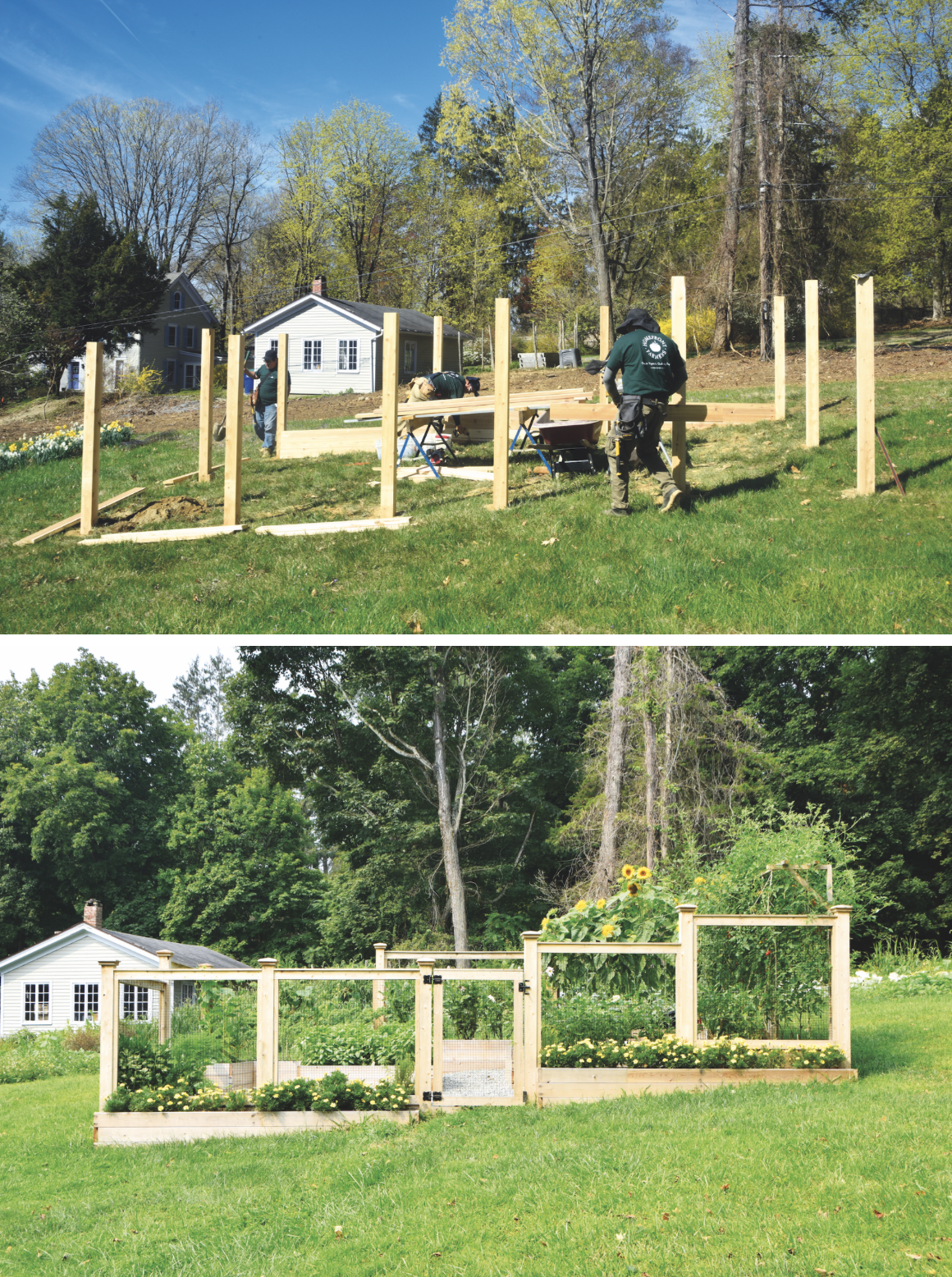
Homefront helped us thoughtfully spec out every inch of the garden, optimize the planting plan, and oversee the build. We worked together in the early spring carefully deciding what plants would make most sense in my life and on my property, and optimizing for growing conditions and results. I’d made selections from Homefront’s catalog for about two dozen different crops, and Miranda took those choices and mocked-up a garden plan fit to scale for what I was having built… And then explained that, for example, the cantaloupes I’d selected would take up an entire bed on their own, and maybe produce five or six cantaloupes over the course of the entire summer, with no time afterwards to repurpose the space. And suggested instead using that bed in the middle of the garden for a larger plot of basil that could be used in the majority of my summer recipes and for plentiful helpings of pesto. …I’d already made it clear that I like to cook…and love to eat!
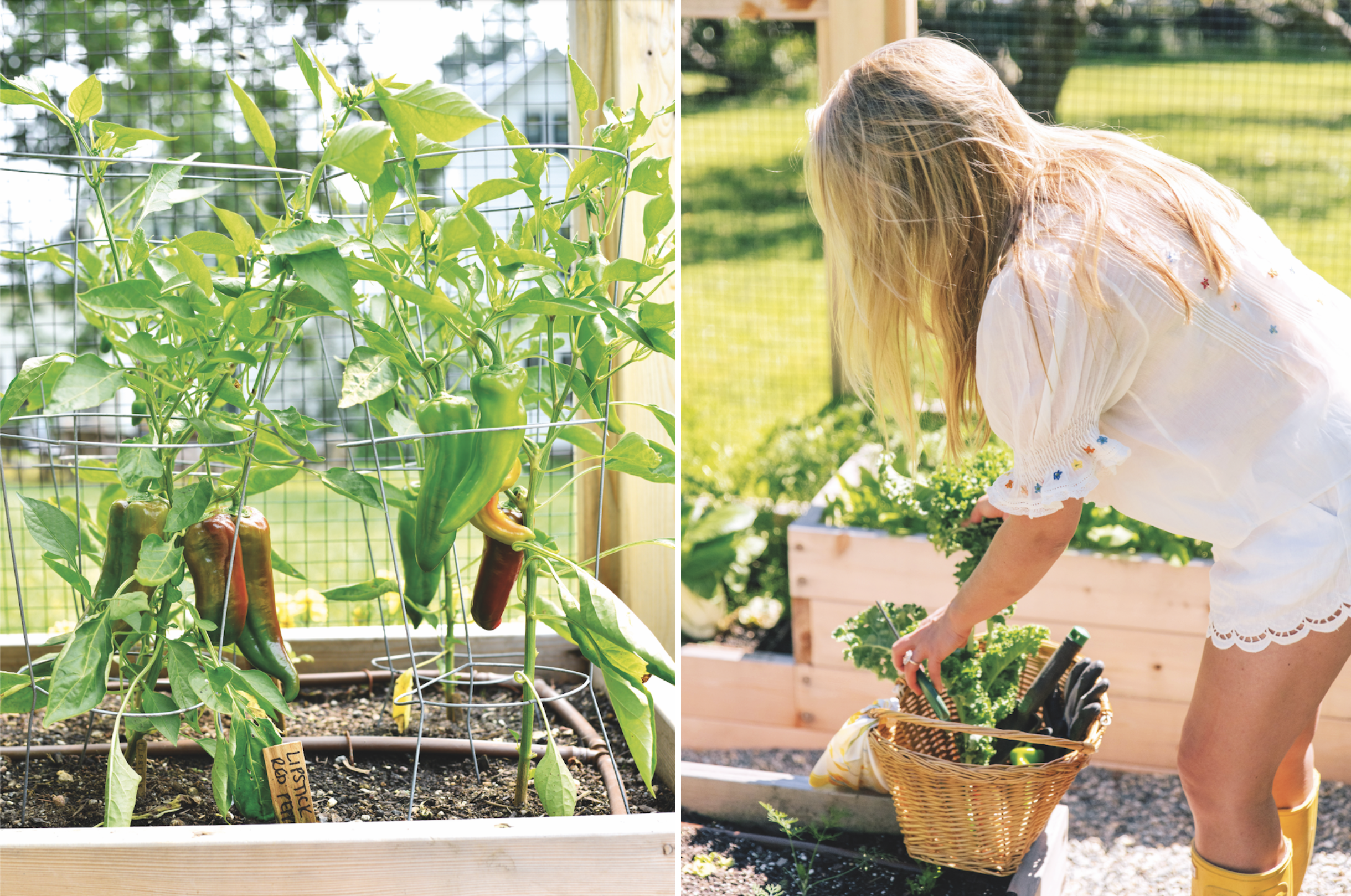
The beauty that I found in Homefront’s approach is that they’re as involved as you want them to be. Personally, I chose to be fairly hands-on. From spring through fall, I joined Miranda in the garden during her weekly check-ins and harvests, using each visit as a master class in what helps plants thrive… and what, inevitably, causes some to struggle.
We had a tremendously successful first year, but not one without challenges. At one point, we encountered cucumber beetles, which are, unfortunately, one of those garden realities that can quite quickly and maddeningly spoil the plan. Miranda helped us assess the issue, try organic options, and - most importantly - know when to cut our losses and pivot to something else that still had time to grow within the planting cycle. …That, I’ve learned, is one of the great lessons of gardening: success is often about timing as much as intention.
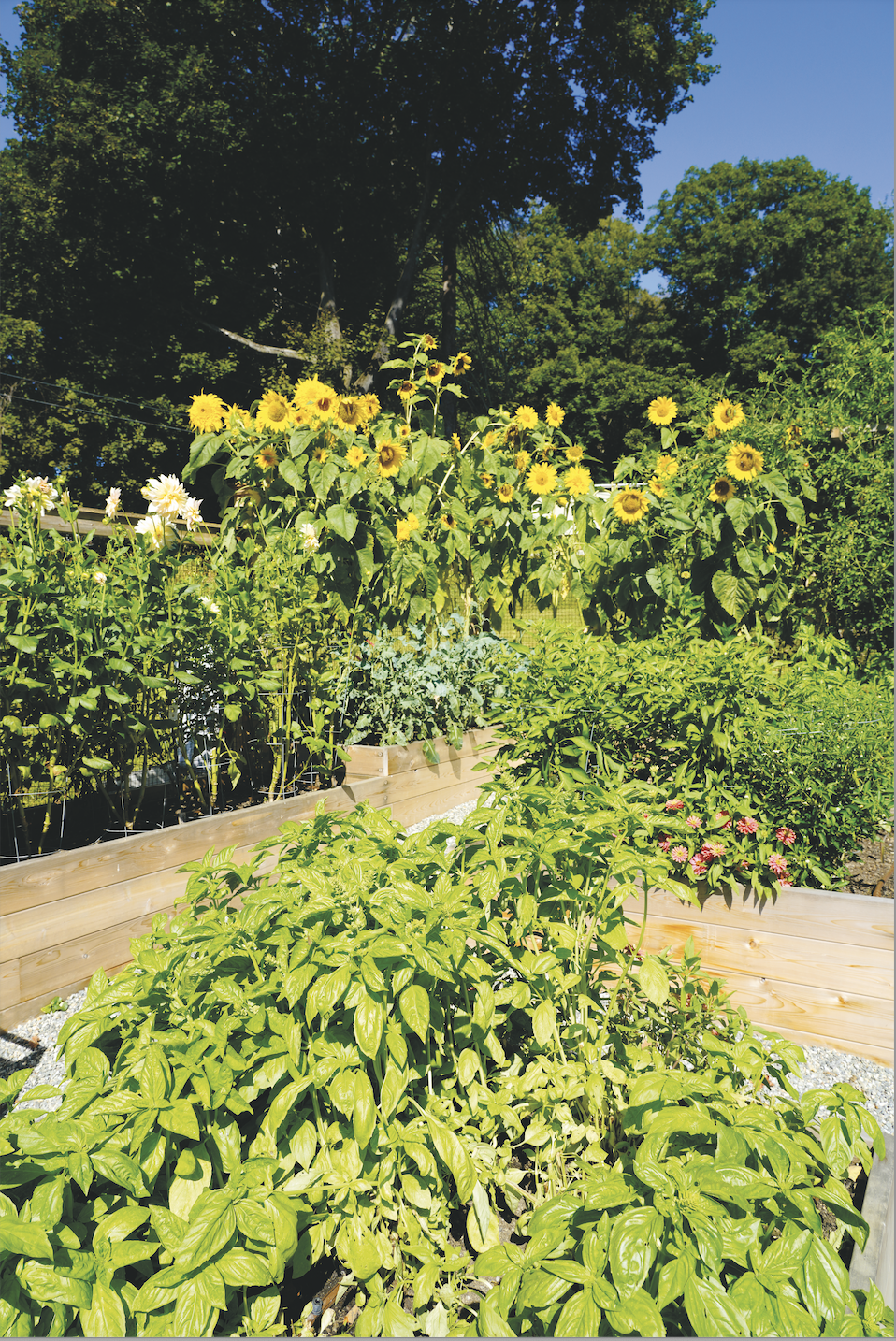
On the gloriously successful front, there were the Sunflowers! Thriving, towering, almost impossibly cheerful. An everyday marvel that made the entire garden feel like a living celebration. And Miranda had the good foresight to plant a second batch that would bloom in a different part of the garden just as our first crop was nearing the end.
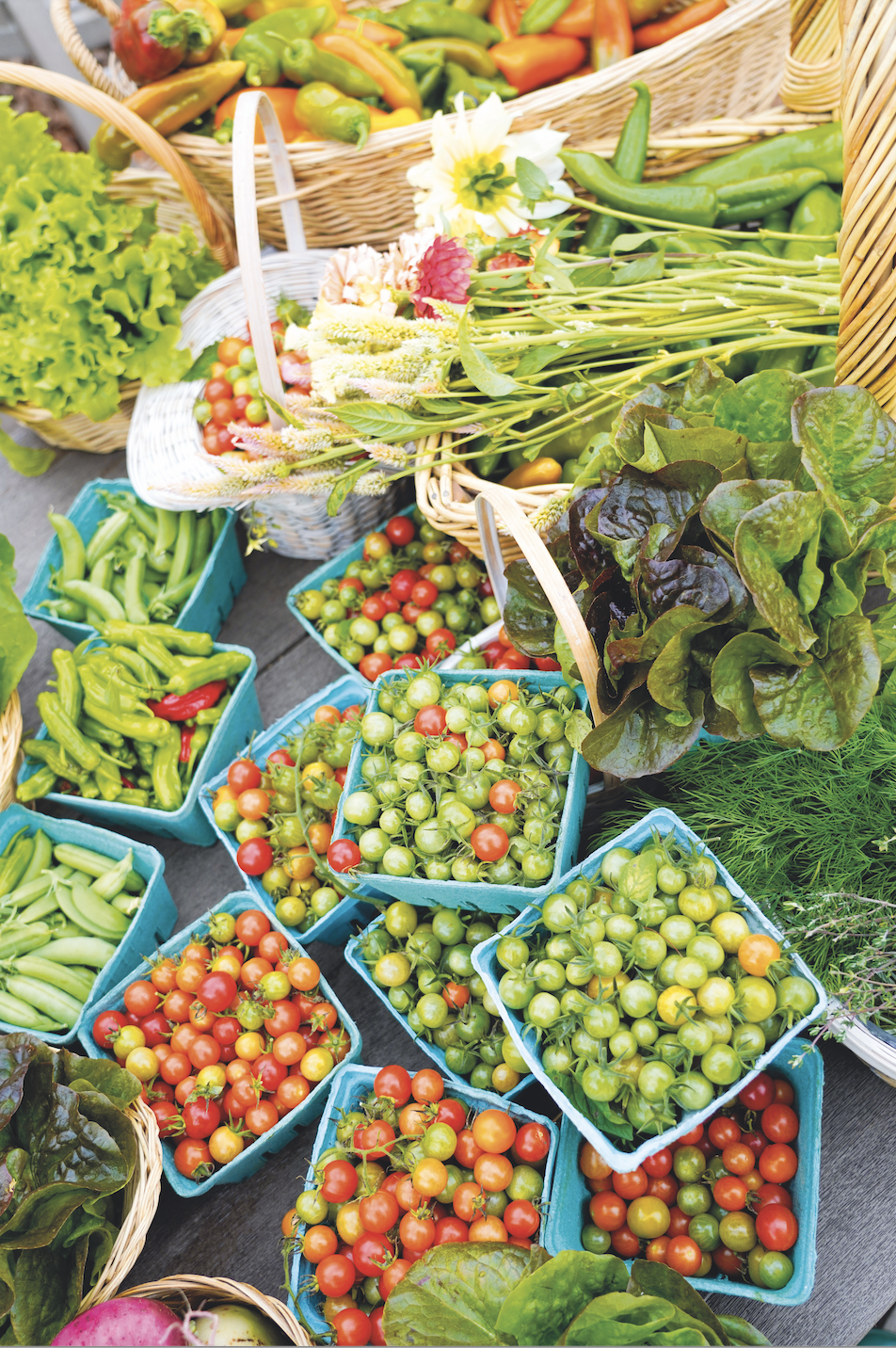
The summer was filled with armfuls of Zinnias, bouquets of Dahlias that felt like something out of an English countryside daydream…and an abundance of food that we couldn’t have imagined. We grew Jasper Red Cherry Tomatoes, Sungold Tomatoes, Butterflay Spinach, Green Butter Lettuce, Watermelon Radish, Cornito Peppers, Cascadia Sugar Snap Peas, Lemon Verbena, Ripbor Kale, Fernleaf Dill, Green Finger Cucumbers, Shishito Peppers, Merengo Celery, Nantes Carrots, Bopak Bok Choy, Sweet Italian Basil, Astro Arugula, and a few varieties of parsley. I was thrilled to use the food from my garden as our primary source of vegetables and herbs for almost the entire summer.
The flavor of the food that my garden produced was unlike anything I’ve ever tasted from a grocery store, and the peace of mind - knowing exactly what’s been in my soil and on my food…and what hasn’t - has been immeasurable.
I would recommend a veggie garden - big or small - to everyone. Whether you decide to give it a go yourself or call Homefront for some help… some of their first season tips and tricks are:
Starting easy with an herb garden, even right in the kitchen, is always a great way to dip your toes in the water - and feel like a gardener instantly! Basil, parsley, chives, thyme, mint (be sure to put mint in its own pot as it’s pretty invasive).
If you want to try some crops outside this spring, the easiest crops we recommend starting with are:
Lettuce + Salad Greens: left lettuce, arugula, spinach, kale - they’re best in the spring and fall as they don’t fare that well in hot July heat.
Radishes: can be planted as soon as the soil can be worked (usually late March or early April) as they grow best when temps are around 50–70°F. They’re fast gratification - as they’re usually ready for harvest in just about a month.
Carrots: can be directly sowed outdoors from seed, and require very little attention other than keeping the soil evenly moist (especially in the first few weeks). The growth stage is fairly long, so getting carrot seeds in the ground in April will mean having nice sweet carrots ready for July. We like Nantes Carrots!
Some of the biggest mistakes that new gardeners make are:
Many crops need to be harvested on a weekly or even twice weekly basis in order to keep producing! Leaving old fruit or foliage on the plant can send a signal to the plant to stop producing. So harvest often for better production!
Everyone loves cutting flowers from the garden, but did you know that by cutting long stems, deep into the plant, you encourage that plant to send up stronger, taller and re-grow? Cutting short stems will keep plants weak and top-heavy. This method works on basil too!
While some crops produce all season long, many need to be replanted in order to keep production going. Plant crops like lettuce, bok choy, radishes and baby greens every couple weeks to keep the harvests coming.
The Orchard
The Orchard we inherited at Big Titicus Farm is, I would say, ‘an opportunity’ to expand our gardening endeavors. …But, here too, I’ve come to understand that orchards require a special stewardship, and that the advice and help of experts is an imperative!
We have fifteen mature fruit trees, including apple, peach, and mulberry.
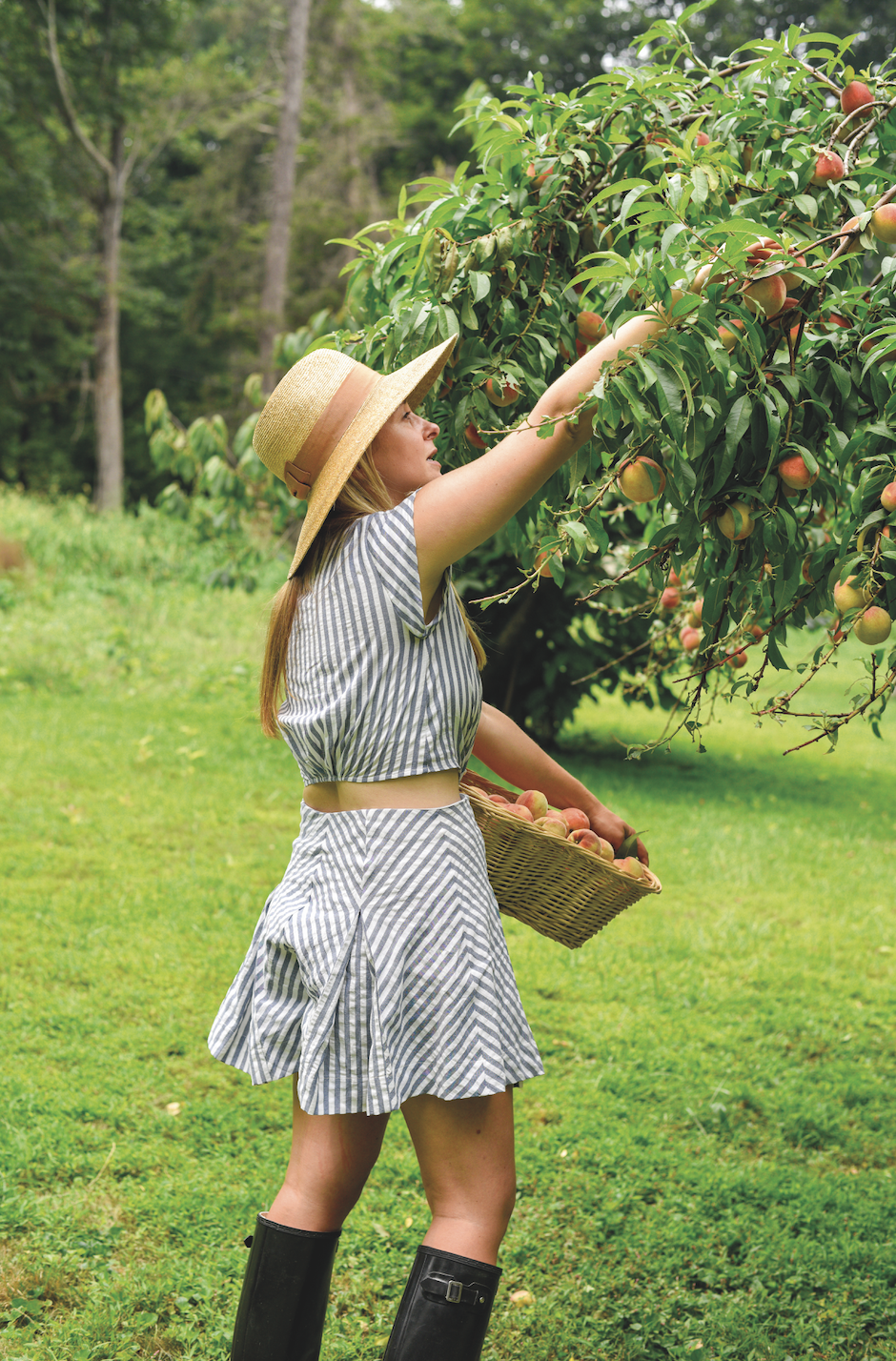
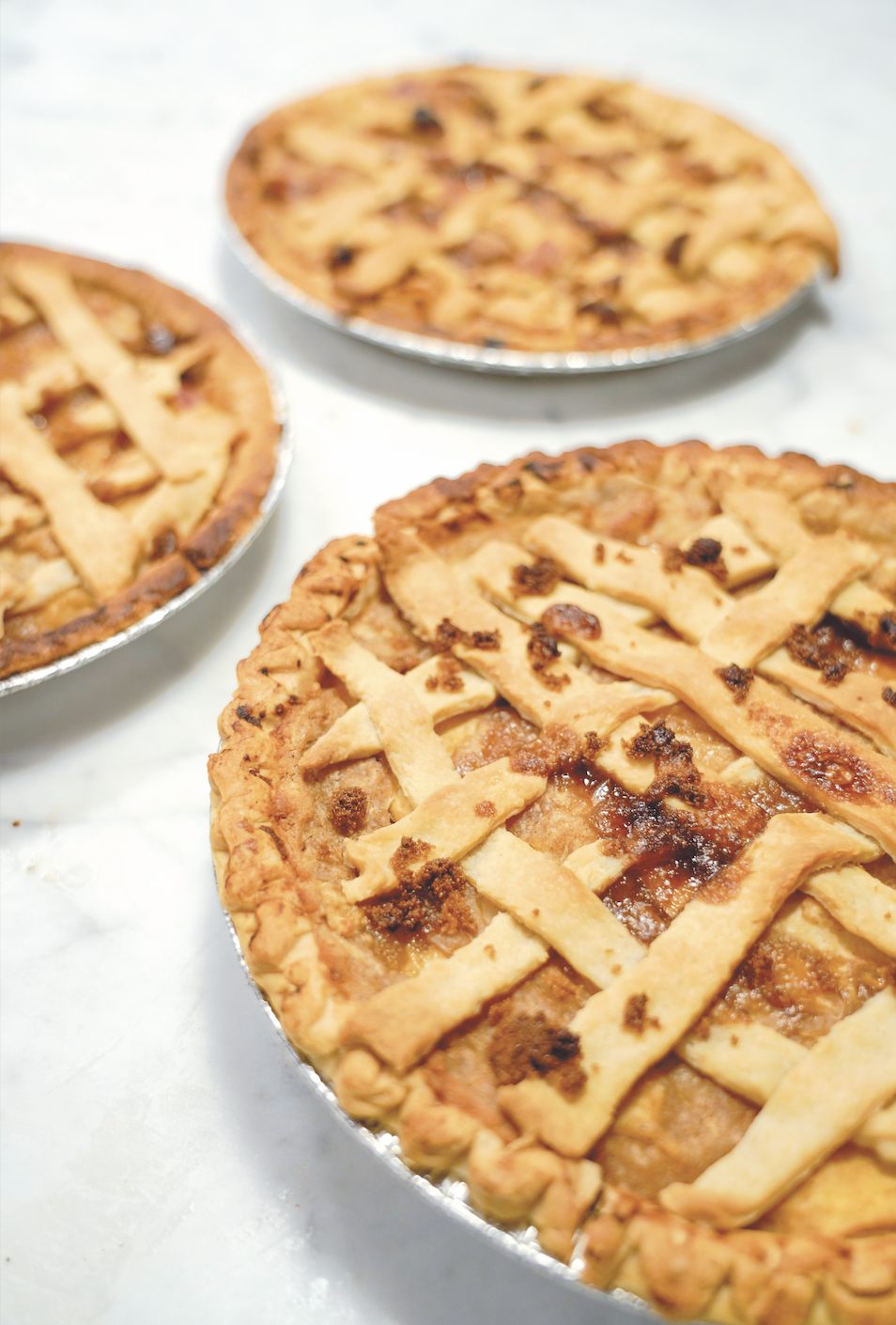
…We had an extraordinary yield of peaches, and even made peach pies that were quite the hit at our August family reunion!
…What we weren’t so smart about is how we didn’t realize that the racoons were all summer patiently waiting to harvest our apples, or that we needed these tin sleeves that go over the trunk of the tree to prevent critters from getting to the fruit! …On the morning I went out to the Orchard, basket-in-hand, eager to pick a thousand apples and then make apple pie…I found that racoons had masterfully taken the entire loot! …This year’s task is to figure out exactly what day to harvest - when the apples are ripe, but before the critters come take it all!
Another thing I didn’t fully realize is how important it is to do a winter pruning. The end of winter - before budding begins - is the closing window to shape those trees for a healthy year ahead.
…Planting fruit trees is also one of the most charming ways to add long-term value to a property, and we will be adding a dozen or so new trees in 2026. It’s an investment in the future… and - especially for children - it becomes its own kind of magic.
wild it!
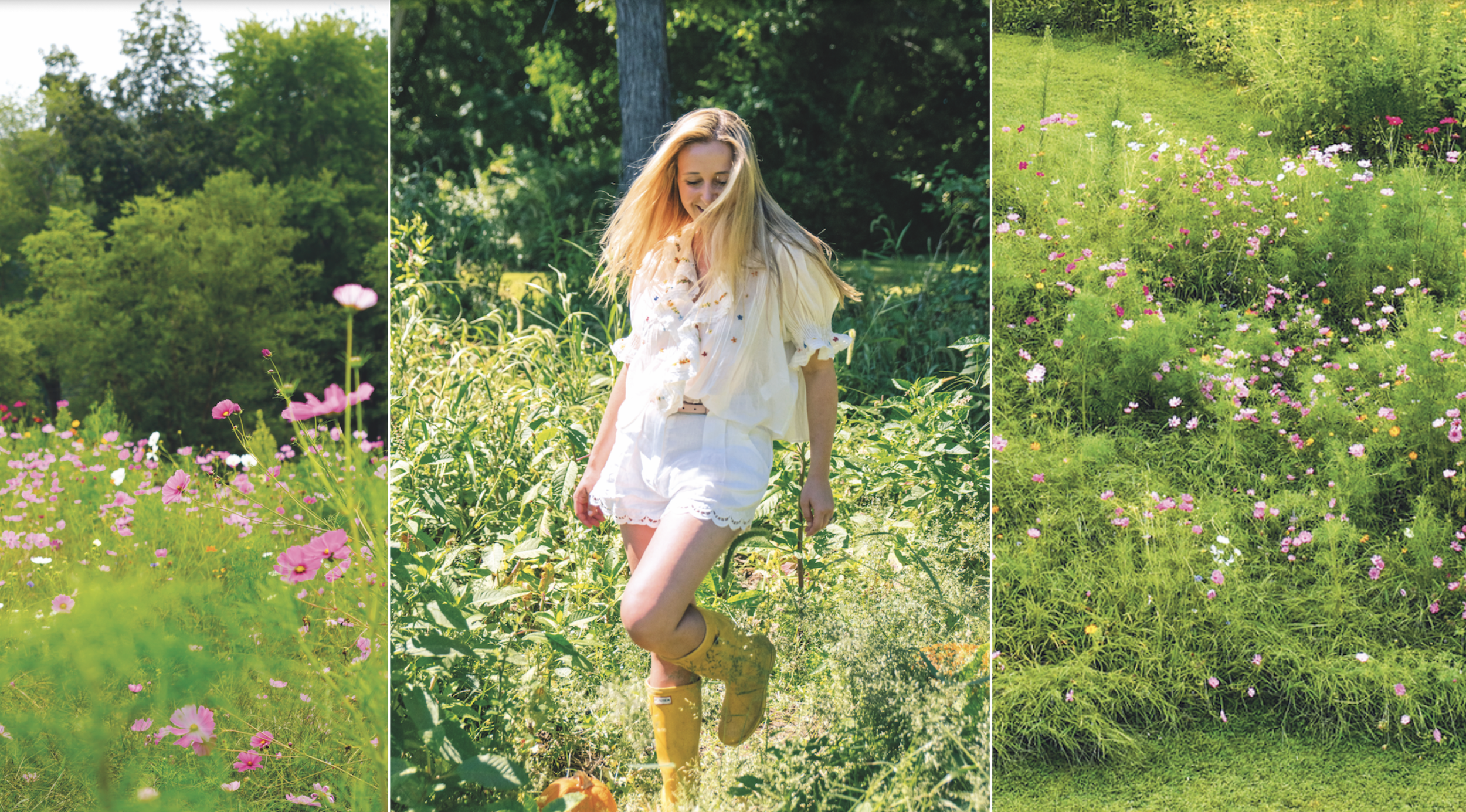
I’ve been inspired with the idea of turning some part of the fields and meadows at Big Titicus Farm into an area for wildflower and indigenous species planting - a current shift away from lawns of grass in the world of horticulture and which I like to call just ‘wilding’.
A large lawn will always have its place - especially for play and recreation - but we have quite a bit of land, and I find myself far more drawn to the idea of looking out at a flowing meadow than a stretch of uniform grass.
A meadow changes daily. No two mornings look the same. The blooms come in waves. The movement is softer, wilder, more alive.
We got a nice little start last year with a mix of annuals and perennials, some of which we may not see bloom until this coming summer. But making it wild, I quickly learned, is a true labor of love in and of itself…and, again, might be best undertaken with the advice and help of experts. …It’s not just about sprinkling some seeds!
So we’ve turned to the experts at Plan it Wild. They’re a local family-owned company that’s really passionate about the sustainability of rewilding. They do a beautiful job of transforming a landscape into something that is even more desirable, and they work on projects of all sizes.
They’re also launching an app this year, called Wildr, to help everyone get going with some rewilding of their own.
Plan it Wild has already got me focused not just on the beauty of the project, but about bio-diversity, pollination, habitat, and long-term ecosystem health and sustainability.
Their advice is simple to follow: Start small. Start with plugs. Learn the rhythms of your site. Expand over time. …A mini meadow doesn’t require a green thumb - just a patch of ground and the willingness to tune in and let go.
They recommend beginning with a 5’x5’ section, sourcing native plants locally, watering through the first season, leaving seedheads through winter, and embracing the reality that nature is a partnership… not a perfection project.
Planning for the Season Ahead:
March & April in B&NC Country
In March - Start Now Indoors:
For anyone feeling the pull right now, March is the perfect time to get started. Find a space to set up shelves and seed trays, and get your seeds growing in the warm indoors - so they’ll have a higher success rate as plugs in late April and May. Some good things to start with are slow-growing perennials like echinacea and milkweed, herbs, and early vegetable starts like tomatoes and peppers - for late spring transplanting.
In Early April - Cool-Weather Outdoors:
Different crops have different growing requirements! Planting cool season crops like peas too late is not ideal, just as planting warm season crops like tomatoes can also encourage slow growth, disease or even plant death. Early April is a good time to start planting peas, spinach, kale, arugula, lettuce, radishes and carrots. It’s also a good time for bare-root fruit trees and berry bushes. And of course, as soon as the snow melts, it’s a good time to start building beds and mapping out plant cycles.
Late April - Preparing for May Planting:
Late April is a good time to get the meadow started. Start with tarp grass or sheet-mulch with leaves. Order plugs for native meadow patches before supplies run out, and start planting seeds! You’ll want to plant a mix of annuals and perennials - especially in the first season - as perennials likely won’t start showing until at least the following year, or maybe longer, so you’ll want to mix in some annuals to get those immediate gratification pops of color in the first season.
Start small. Ask for help. Learn as you go.
This isn’t about chasing a trend. …It’s about building a life that feels rooted and enjoying the process.
Allow yourself to take particular pleasure from the things you grow!
And keep In mind that in gardening, as in life, hope springs eternal!
To follow along on my gardening and farming journey, find me on Instagram @titicusfarm