
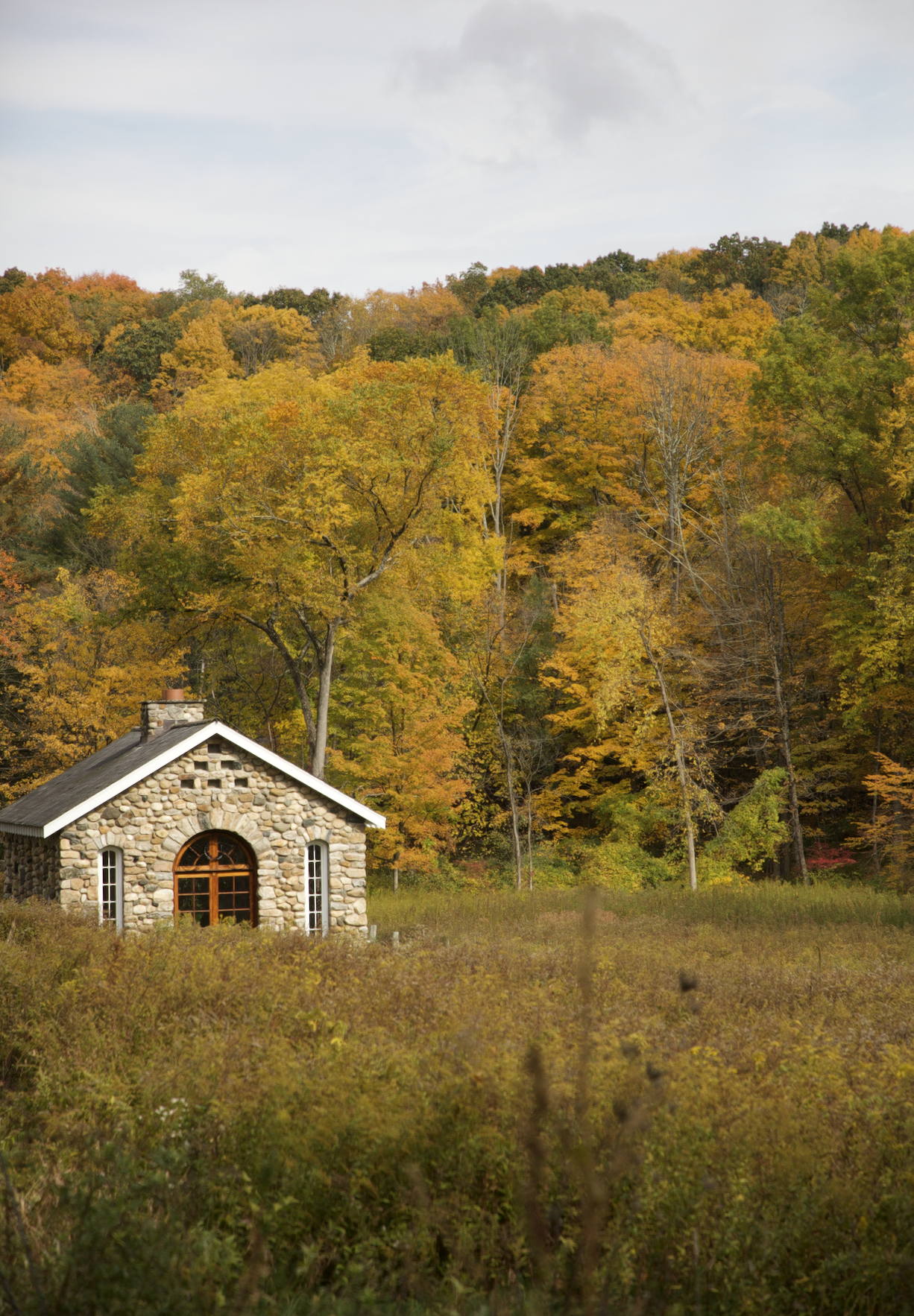
Pound Ridge
Woods, Ridges & Stone Walls
Pound Ridge is a quiet, wooded town of about 5,000 people in the northeast corner of Westchester. It is bordered by the Mianus River Gorge, reservoir lands and the Ward Pound Ridge Reservation, and the town leans into the character of preservation. Shops and restaurants cluster at Scotts Corners, a charming hamlet once known for antiquing and, in the 1800s, as “Basket Town.”
The name “Pound Ridge” comes from a “pound,” an enclosure of saplings that Native Americans built on one of the ridges to hold deer and other game. English Captain Nathaniel Turner bought the land in the 1640s, and settlers from Stamford arrived in the early 1700s. Pound Ridge was incorporated in 1788. Through the 19th century the town lived on dairy farms and cottage trades. Shoemakers turned out shoes made to fit either foot for about $1.20 a pair, and Pound Ridge baskets, a craft with deep Indigenous roots, were prized by oyster fishermen on Long Island Sound.
The railroads bypassed Pound Ridge, and by 1920 only 515 people lived here. Then in 1929 the inventor and businessman Hiram Halle arrived from New York City and began restoring the town’s old houses. Benny Goodman later settled here too, and wrote a tune called “Pound Ridge.”
In 1925 Westchester County bought more than 4,000 acres in the north of town for what became the Ward Pound Ridge Reservation, now the county’s largest park. Three-acre zoning since 1959 and New York’s first local wetlands law, passed here in 1969, have kept Pound Ridge true country ever since.
The People & Places That Shape Pound Ridge
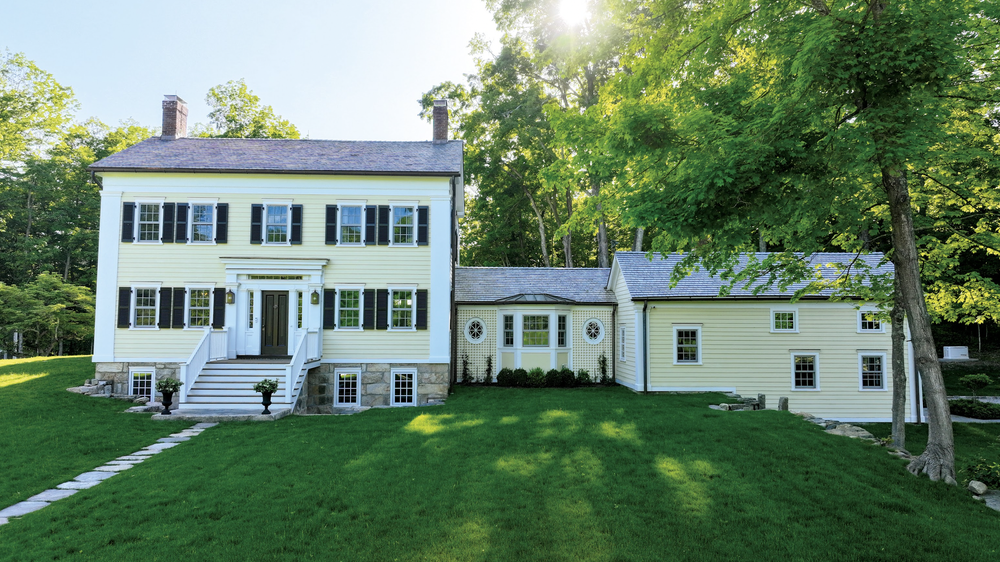 Homes & History
The Reimagining of a Landmark
For years it was known as that house. John Roa and Candice Milano brought a once-beloved Pound Ridge residence back from the brink. Read our story
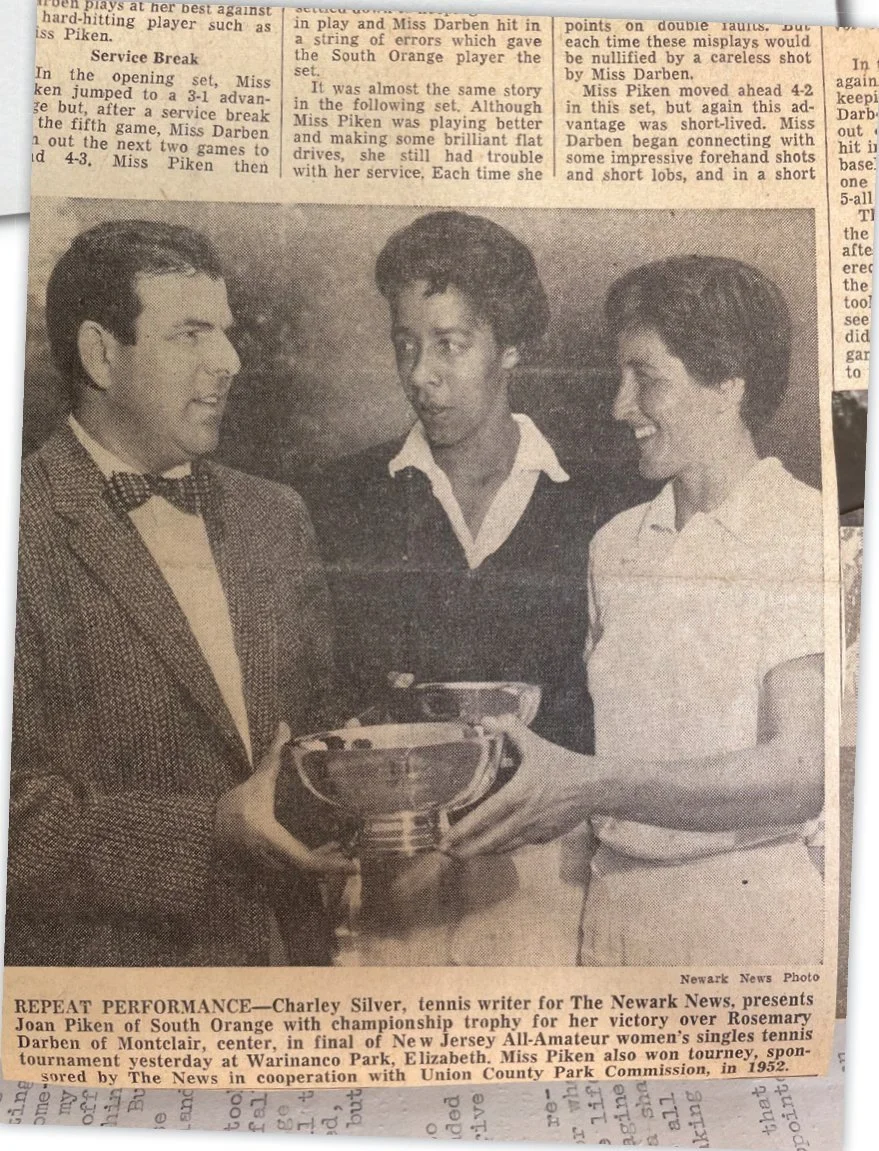 In Memoriam
Joan Silbersher
Tennis champion, founder of the Pound Ridge Tennis Club and a true Pound Ridge icon. Read our story
 The Village
Scotts Corners
Known as “Basket Town” in the 1800s, Scotts Corners is the town’s commercial center today, with its shops and restaurants alongside the post office, the firehouse and the volunteer ambulance corps.
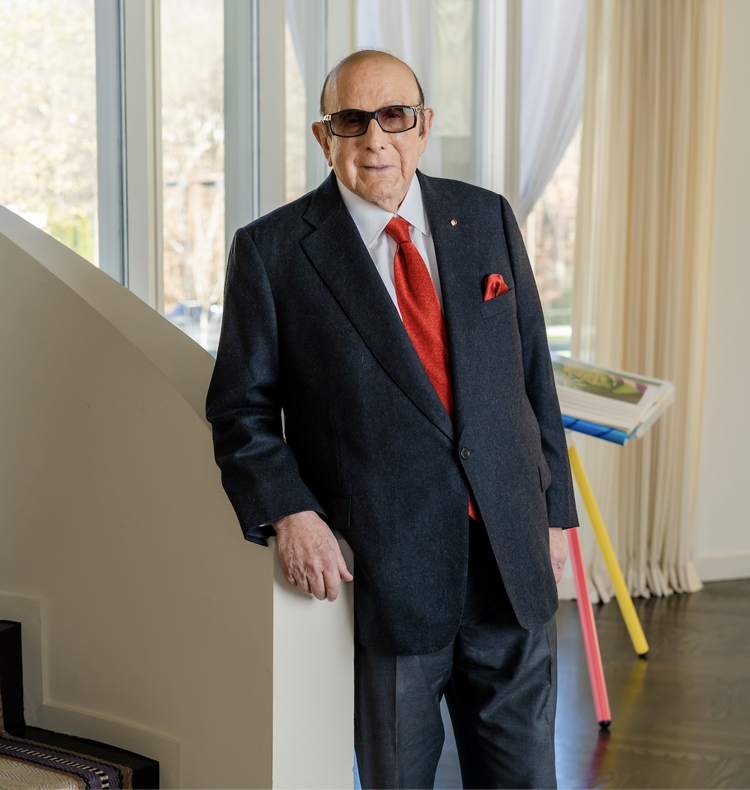 MusicClive DavisRemembering the legendary music executive and producer, 1932–2026.
 Cover StoryCarrie CoonFrom The Gilded Age to The White Lotus, an actor who disappears into her roles.
 ProfileSuzy WelchThe NYU Stern professor and best-selling author at her Honey Hollow estate.
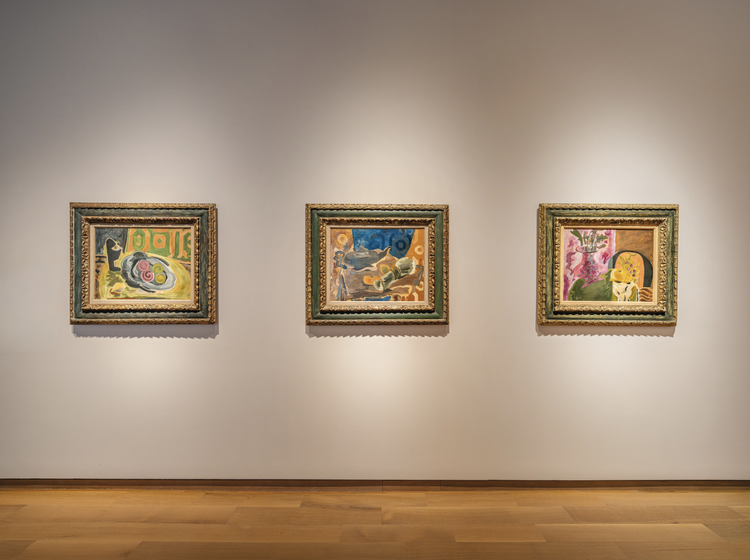 ArtRégis KrampfOne of the preeminent private collectors of Georges Braque.
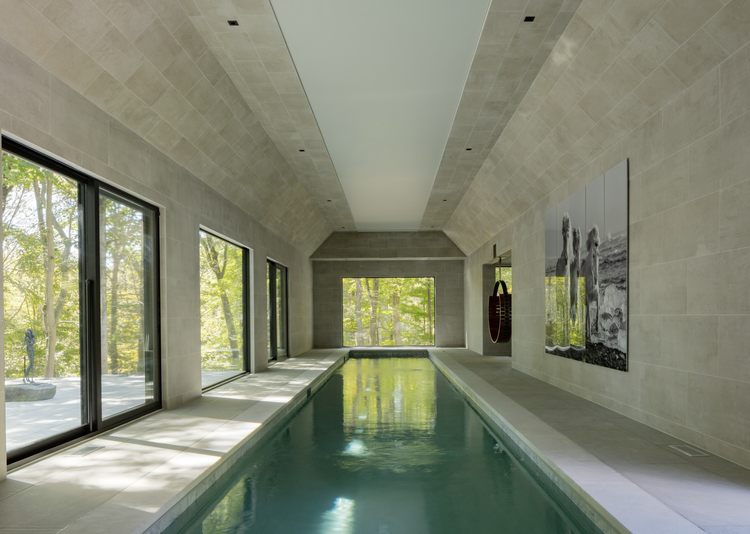 HomesPound Ridge MasterpieceLisa Kroll masters everything she tries, including her house.
 ProfileNicole Bloom… Blossoming!Casey Kaplan catches up with her Pound Ridge Elementary classmate.
 ProfilePaul & Ava ZukowskyA discreet entertainment manager and a dedicated volunteer, both devoted to service.
 Profiles18 Under 18: 2026Our annual salute to remarkable young people from across our towns.
Worth Going To
 CreativeYellow StudioTina Villaveces’ all-women’s collective for art, creativity and community.
 BeautyEsthetics EmbassyA former diplomat, Lydia Bubanja now runs an esthetics practice in town.
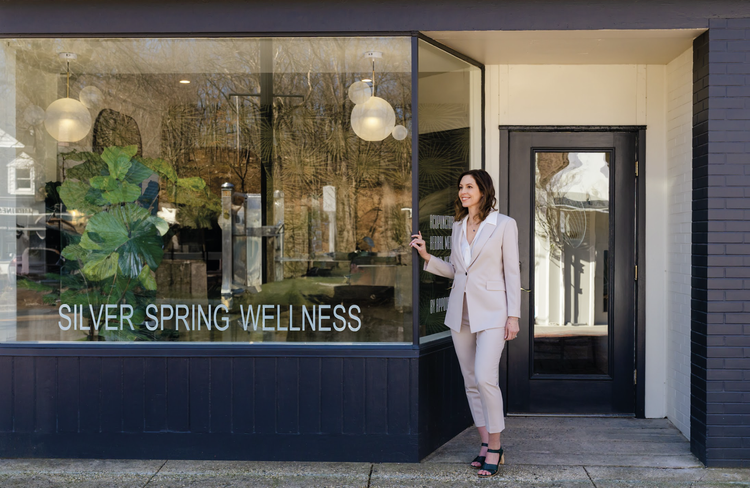 WellnessSilver Spring WellnessDr. Sabbath McLean blends Chinese medicine and holistic care.
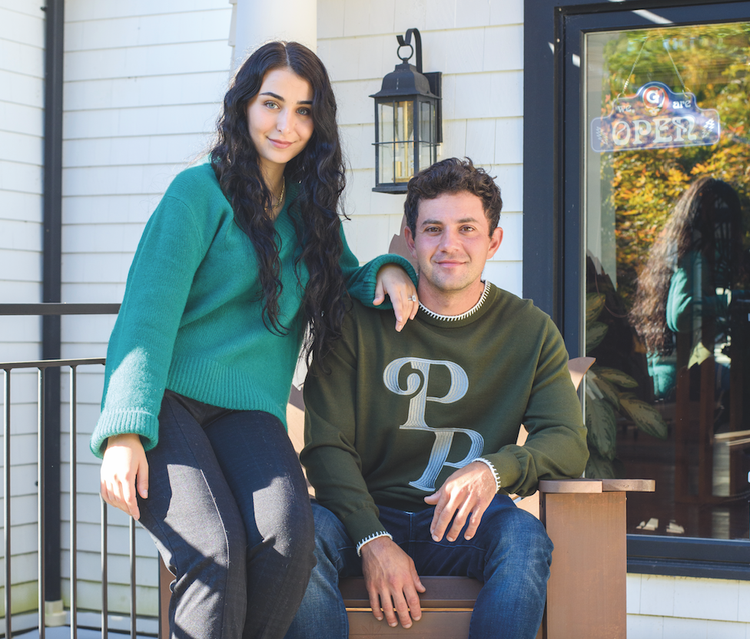 ShopPurple PlainsBy a quirk of law and a twist of fate, a cannabis shop in Pound Ridge.